
A wedding videography portfolio is a curated, storytelling-driven showcase that proves your cinematic skills and converts visitors into paying clients. Knowing how to build a wedding videography portfolio is the single most important step for any aspiring filmmaker entering the wedding industry. The strongest portfolios do not just display pretty clips. They answer every question a couple has before they ever send an inquiry. This guide covers the exact components, tools, and steps you need to create a portfolio that works in 2026, including a note on why Super 8 film cameras are making a serious comeback in wedding cinematography.
What key components make an effective wedding videography portfolio?
A high-converting portfolio leads with a 60–90 second showreel placed above the fold on your homepage. That placement matters because couples decide within seconds whether your style matches their vision. If they have to scroll or click to find your best work, most will leave.
Beyond the hero reel, your portfolio needs 3–6 full project pages. Each page should explain the client's goals, the venue, your role, and the specific techniques you used. Contextualized project pages build trust far faster than a gallery of unlabeled clips. Couples want to see themselves in your work, and context makes that possible.
The core components of a strong wedding videography portfolio include:
- Hero showreel: 60–90 seconds, your absolute best moments, placed prominently
- Full project pages: 3–6 films with written context covering your role and the couple's story
- Style organization: Group work by mood, style, or venue type so clients find their fit quickly
- Testimonials: Real quotes from past couples placed near your contact form
- Clear contact form: Ask for event date, location, and type of event to qualify leads
Pro Tip: Lead with your strongest shot within the first three seconds of your showreel. A weak opening causes visitors to close the page before they see your best work.
Organizing by style rather than chronology is one of the most overlooked tips for videography portfolio success. Filmmakers who organize by genre give clients an immediate sense of fit, which shortens the decision cycle considerably.

Which platforms should you use to host your wedding videography portfolio?
Video hosting is the foundation of any portfolio for videographers. Never host video files directly on your own server. Hosting on Vimeo or YouTube and embedding those players into your site keeps load times fast and prevents bandwidth throttling that would make your films stutter.
Vimeo is the preferred choice for wedding cinematography. Its player is clean, distraction-free, and carries no competing ads. YouTube reaches a broader audience but its interface can pull viewers away from your site. Use Vimeo embeds as your primary portfolio player, and publish to YouTube separately for search visibility.
| Platform | Best use | Key advantage |
|---|---|---|
| Vimeo | Portfolio embeds | Clean player, no ads, professional look |
| YouTube | Search discovery | Broad reach, free hosting |
| Squarespace | Portfolio website | Built-in video blocks, mobile-ready templates |
| WordPress | Custom portfolio sites | Full control, strong SEO plugins |
For your website builder, Squarespace and WordPress both support video embedding and offer portfolio templates suited to visual creatives. Whichever you choose, mobile responsiveness and fast loading are non-negotiable. Slow sites signal unprofessionalism before a couple watches a single frame.
Portfolio websites with local SEO elements, such as city-specific service pages and 300–700 word blog posts, appear in "wedding videographer near me" searches. That organic visibility brings in couples who are already ready to book.
Pro Tip: Use an AI writing tool like ChatGPT to draft your project descriptions and service page copy. Then edit for your own voice. This cuts setup time significantly without sacrificing quality.
Step-by-step process for creating your portfolio from scratch
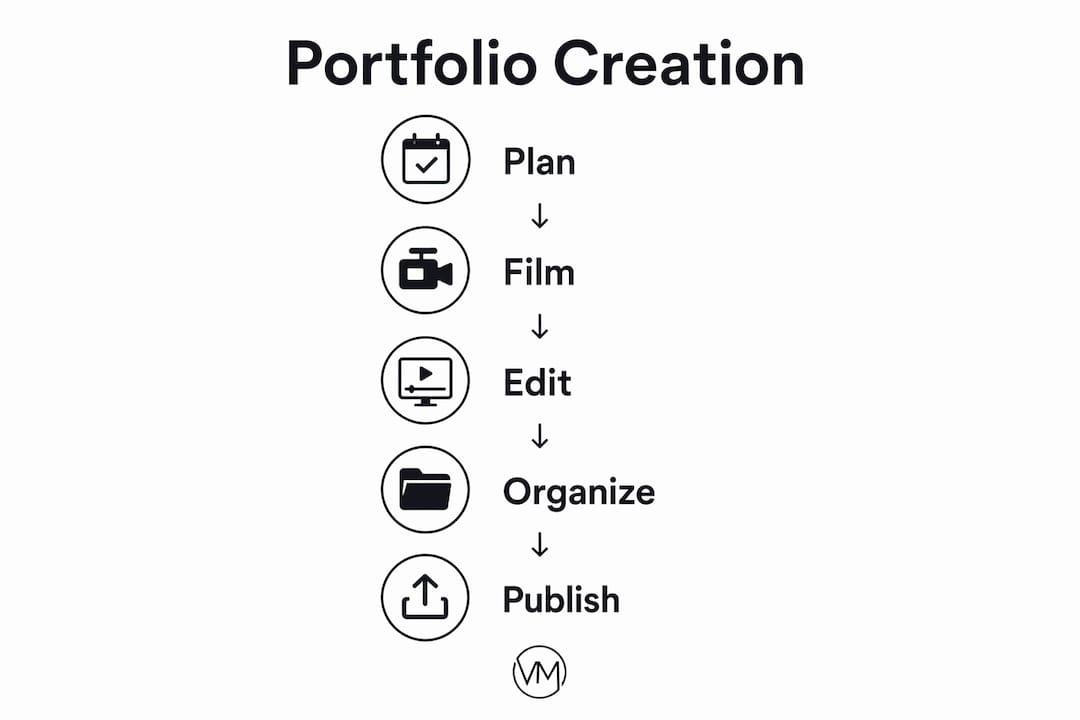
Building a wedding video portfolio from zero feels overwhelming until you break it into a clear sequence. Follow these steps in order.
- Gather your strongest footage. Pull clips from every wedding or styled shoot you have filmed. Do not include everything. Aim for moments with strong emotion, sharp focus, and good color.
- Edit your showreel. Cut it to 60–90 seconds. Start with your single best shot. Match cuts to music and prioritize emotional peaks: vows, first looks, and first dances.
- Select 3–6 full projects. Choose films that show range across venues, lighting conditions, and couple styles. Each film should represent a different facet of your work.
- Write project descriptions. For each film, write two to three sentences covering the venue, the couple's vision, and the specific techniques you used, such as Super 8 film inserts, aerial footage, or multi-camera coverage.
- Build your site structure. Create a homepage with your showreel, a portfolio page with project galleries, an about page, and a contact page. Keep navigation simple.
- Add a contact form with specific fields. A frictionless inquiry form asking for event date, location, and event type converts passive visitors into qualified leads. Generic contact forms produce vague inquiries.
- Test on mobile before launching. Open your site on three different devices. Check that videos load, buttons work, and text is readable without zooming.
- Promote your portfolio. Share new project pages on Instagram at instagram.com/visualizemedia, submit your site to local wedding directories, and ask past clients to link to your portfolio in their vendor reviews.
One detail that separates strong portfolios from average ones: include a note on your process. Couples booking a wedding videographer want to know how you work on the day. A short paragraph on your filming approach, whether that includes Super 8 cameras, drone footage, or a documentary style, answers that question before they have to ask. Understanding how to market your services to couples is just as important as the quality of the films themselves.
Common mistakes that kill your portfolio's effectiveness
The biggest mistake videographers make is treating their portfolio as a clip dump rather than a sales tool. A portfolio answers client questions about services, role, and booking. Every page should serve that function.
Watch out for these specific errors:
- Showreels longer than two minutes. Couples lose interest fast. Trim ruthlessly.
- Missing project context. A beautiful film with no description tells a client nothing about your working style or what they can expect.
- Too many clips. 6–12 polished projects outperform a portfolio of 30 unorganized samples every time.
- Slow load times. Unoptimized video files or heavy image galleries push visitors away before they engage.
- Outdated work. Regularly updating your portfolio with new films signals that you are active and current. Remove anything that no longer represents your best work.
Pro Tip: Set a calendar reminder every three months to review your portfolio. Replace the weakest project with your most recent strong film. This keeps your showcase current without requiring a full rebuild.
Key Takeaways
A compelling wedding videography portfolio combines a tight showreel, contextualized project pages, and a clear contact path to convert visitors into booked clients.
| Point | Details |
|---|---|
| Lead with your showreel | Place a 60–90 second reel above the fold so couples see your best work immediately. |
| Context converts | Write project descriptions covering your role, techniques, and client goals for each film. |
| Host video externally | Use Vimeo or YouTube embeds to keep your site fast and your player professional. |
| Quality over quantity | Showcase 6–12 polished projects rather than a large collection of uneven clips. |
| Update regularly | Remove outdated work every quarter and replace it with your strongest recent films. |
What I have learned about portfolios that actually book weddings
The portfolios that book the most clients are not always the most technically impressive. They are the ones that make a couple feel something within the first ten seconds. That is the real test.
I have seen videographers with extraordinary gear and mediocre portfolios, and I have seen filmmakers with modest setups who book out months in advance. The difference is always storytelling. Emotional narrative attracts dream clients far more reliably than a list of technical specs or equipment credits.
One thing I push every aspiring filmmaker to try: add a Super 8 film segment to at least one portfolio piece. The grain, the warmth, and the slightly imperfect quality of Super 8 footage creates an emotional texture that digital video rarely matches. Couples who see it in your portfolio often request it specifically. It becomes a signature element that sets your work apart from every other videographer in your market.
Your portfolio is not a museum. It is a sales conversation you are having while you sleep. Every page, every film, and every word on your site either builds trust or erodes it. Treat it like the most important client pitch you will ever make, because for every couple who visits, it is.
— Anthony
See wedding cinematography done right
Visualizemedia specializes in luxury wedding films across New York and New Jersey, capturing vows, first looks, and celebrations with a filmmaker's eye for detail. Every project on the Visualizemedia portfolio includes multi-camera coverage, color grading, and the kind of cinematic storytelling this article describes.
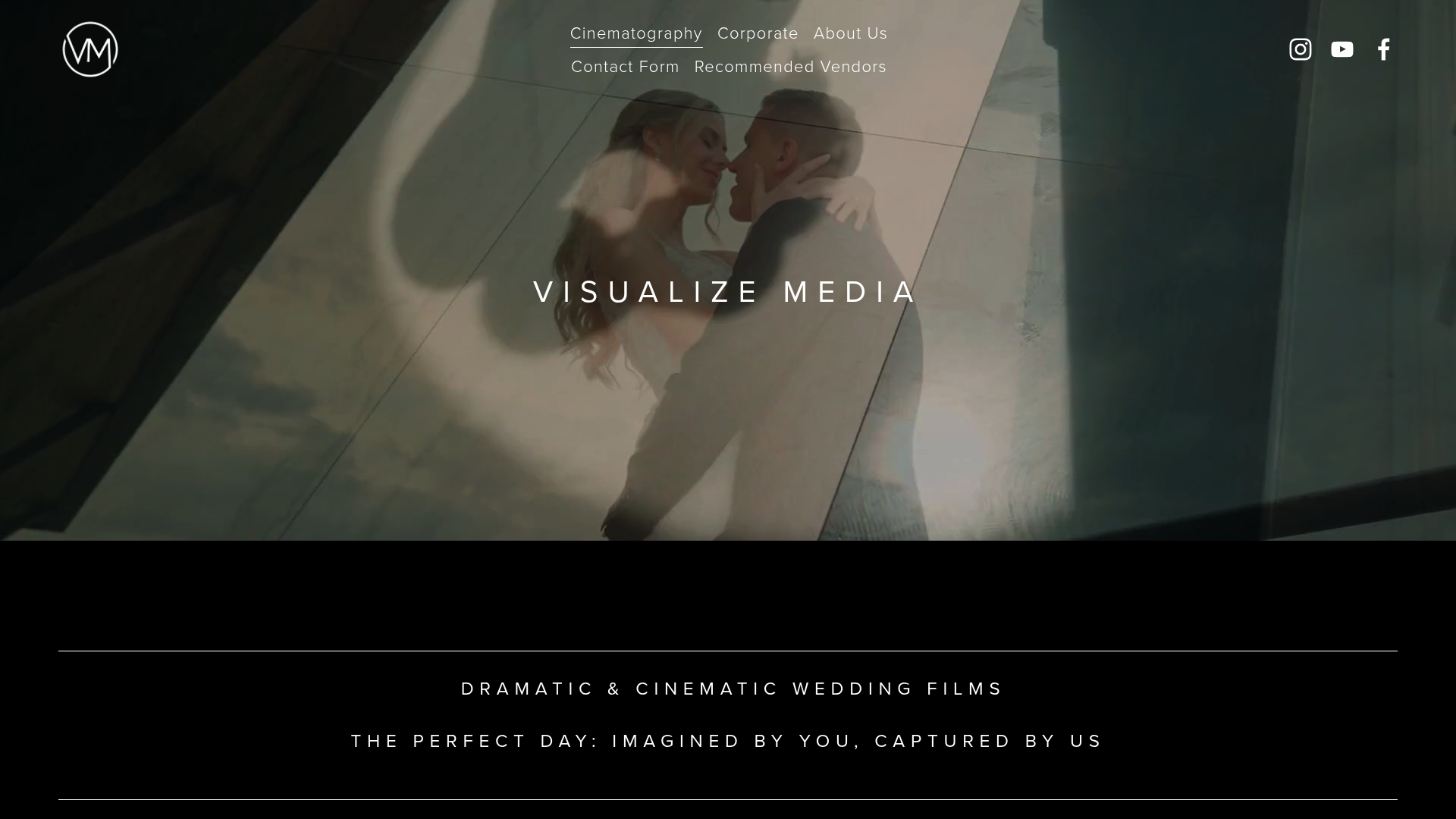
If you are building your own portfolio and want to see what a fully realized wedding film looks like, browse the wedding cinematography work at Visualizemedia. The films there show exactly how showreels, full project pages, and emotional storytelling come together to attract and book ideal clients. Ready to start your own wedding film inquiry? The wedding questionnaire takes just a few minutes to complete.
FAQ
What is a videography portfolio?
A videography portfolio is a curated collection of your best films, organized to demonstrate your style, technical skills, and storytelling ability to potential clients. It typically includes a showreel, full project pages, and a contact form.
How many videos should a wedding videography portfolio include?
6–12 polished projects is the recommended range. Quality and context matter far more than volume, and too many clips dilute the impact of your strongest work.
Should I use Vimeo or YouTube for my portfolio videos?
Use Vimeo for portfolio embeds because its player is clean and ad-free. Use YouTube separately for search discovery. Embedding from a hosting platform keeps your site fast and your presentation professional.
How long should a wedding videography showreel be?
A showreel should run 60–90 seconds. Longer reels lose viewer attention, and a tight cut forces you to include only your absolute best moments.
How do I get my first wedding videography portfolio pieces?
Offer to film styled shoots, assist established videographers, or work with engaged couples at a reduced rate in exchange for permission to use the footage. Even two or three strong films give you enough to build a focused, compelling portfolio.