
Cinematic lighting in events is defined as a story-driven, film-inspired lighting design method that shapes mood, directs audience focus, and tells a story through light rather than simply illuminating a space. Unlike traditional event lighting, which prioritizes visibility alone, cinematic lighting uses layered hierarchies, contrast ratios, and intentional color temperatures to evoke specific emotions at each moment. The industry term for this approach is "motivated lighting design," borrowed directly from film production. Event professionals who apply these techniques transform ordinary venues into immersive, emotionally charged environments that audiences remember long after the event ends.
What is cinematic lighting in events, and how does it work?
Cinematic lighting in events is a story-driven design approach that mimics film production through layered lighting and intentional color temperature to evoke emotion. It uses contrast ratios, shadow sculpting, and synchronized transitions tied to specific event milestones. The result is a space that feels directed, not just lit.
Traditional event lighting asks one question: can people see? Cinematic lighting asks a different question: what should people feel right now? That shift in mindset is what separates a forgettable venue from a genuinely cinematic experience. Treating lighting as a storytelling tool rather than an afterthought transforms event production value significantly.
What are the core components of cinematic lighting techniques?
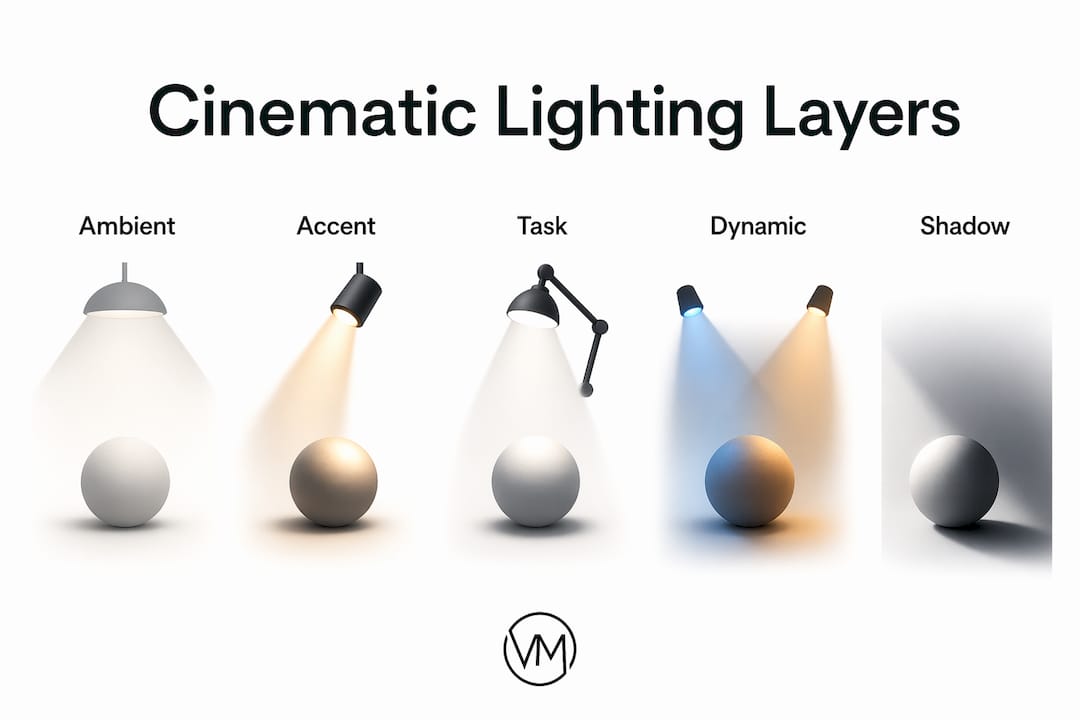
Cinematic lighting relies on four distinct layers working together. Each layer serves a specific purpose, and removing any one of them flattens the visual result.
- Ambient lighting fills the space with a base level of light. It sets the overall tone without drawing attention to itself.
- Accent lighting highlights specific subjects, objects, or architectural features. This is where color temperature choices carry the most emotional weight.
- Task lighting serves functional needs, such as illuminating a stage or podium, and must remain camera safe.
- Dynamic lighting shifts in real time to punctuate key moments: a first dance, a keynote reveal, a product launch.
Hierarchical layers of lighting including ambient, accent, task, and dynamic require unified control to function as a single cinematic system. Without centralized control, layers compete rather than cooperate.
Shadow usage is equally deliberate. High contrast between light and shadow creates depth and drama. Low contrast produces a flat, corporate look. Cinematic lighting designers choose contrast ratios the same way a film director of photography would: based on the emotional tone the moment demands.
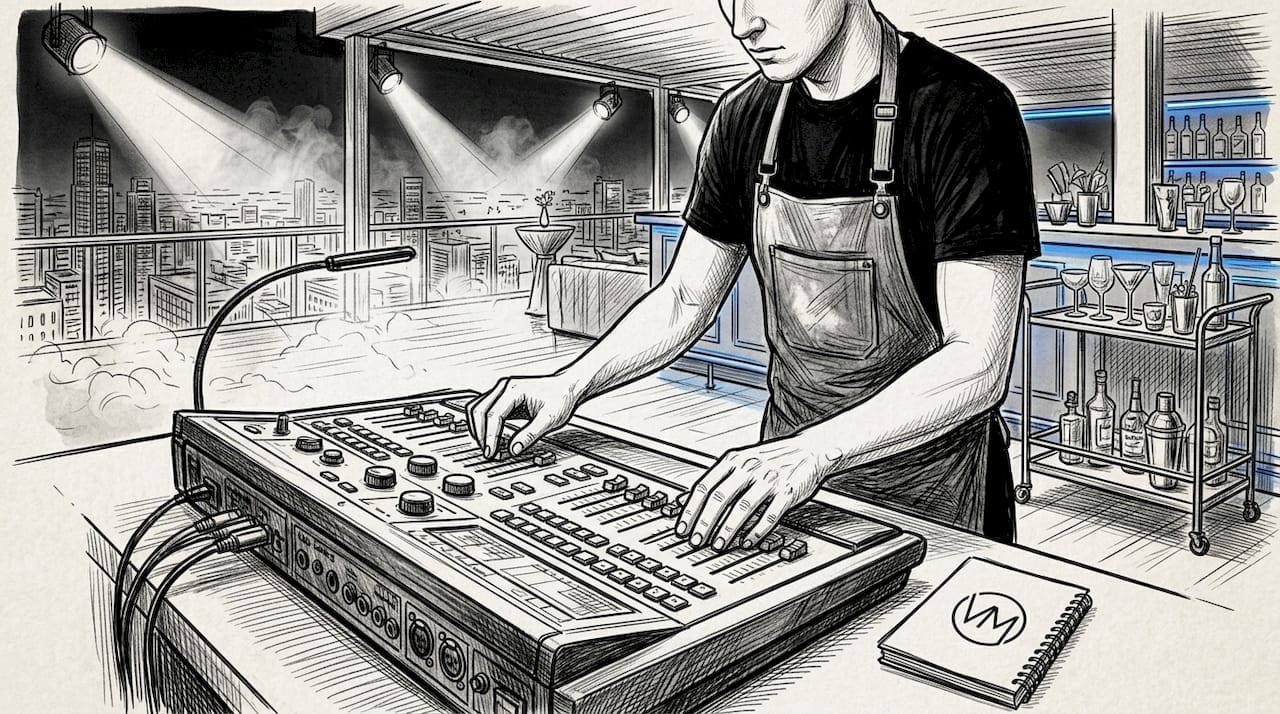
Atmospheric haze makes cinematic light beams visible as shafts, enhancing immersive depth at events. Without haze, light beams vanish into empty space and the visual impact disappears entirely.
Pro Tip: Add a thin layer of atmospheric haze before guests arrive. A light haze that is barely noticeable to the naked eye will make every beam and gobo pattern dramatically more visible on camera.
How does cinematic lighting enhance visual storytelling at events?
Lighting is the primary architect of emotional response at any event. Color choices must align with the event narrative arc to maximize audience engagement. The specific colors chosen are not decorative decisions. They are emotional instructions delivered to every person in the room.
Here is how color psychology applies directly to event lighting design:
- Warm amber and gold tones signal intimacy, warmth, and celebration. These work for wedding receptions, gala dinners, and milestone parties where connection is the goal.
- Cool blue and white tones communicate professionalism, focus, and authority. Corporate keynotes and product launches benefit from this palette.
- Deep red and magenta create energy and excitement, appropriate for award show reveals or high-energy entertainment segments.
- Soft lavender and rose suggest romance and elegance, often used during ceremony moments or formal portrait sessions.
Motivated lighting justifies each light source with a visible element in the scene, creating realism and immersion. Unmotivated lighting signals artificiality and breaks audience immersion immediately. A candle on a table, a window frame, or a chandelier can all serve as the justification for a motivated light source nearby.
Dynamic lighting cues synchronized with sound and video take this further. When a spotlight narrows on a speaker at the exact moment music swells, the audience feels the moment rather than just watching it. This coordination between sound and lighting is what separates cinematic event production from standard AV setups.
What are the practical considerations for cinematic lighting and video capture?
When an event will be recorded or live-streamed, lighting design must account for camera behavior, not just human perception. The human eye adapts to mixed color temperatures automatically. Cameras do not.
Primary stage lighting for video capture should maintain a neutral color temperature between 3,200K and 4,200K to produce flattering skin tones and avoid color cast issues. Deviating outside this range causes skin tones to appear orange, green, or blue on camera, regardless of how natural the lighting looks in person.
| Lighting zone | Color temperature target | Primary purpose |
|---|---|---|
| Stage and presenter areas | 3,200K–4,200K | Camera-safe, flattering skin tones |
| Decorative uplighting | Flexible | Atmosphere and brand color |
| Background wash | Neutral or brand-aligned | Depth without contaminating subject |
| Accent and gobo patterns | Flexible | Visual interest away from camera zones |
Decorative lighting and stage lighting serve different purposes and require separate design briefs. Accent uplighting must be physically separated from camera zones to avoid contaminating presenter light with unwanted color casts.
Coordinate with your video team during pre-production, not on the day of the event. A lighting setup guide reviewed before the event prevents the most common and costly mistakes. White balance decisions made on set are far harder to fix than lighting decisions made in planning.
Pro Tip: Ask your videographer to bring a color checker card to the venue walk-through. Testing your lighting against it before the event day reveals color cast problems while there is still time to correct them.
How has modern technology transformed cinematic event lighting?
Automation has changed what is possible in event lighting design. Centralized automation software synchronizes lighting with sound and video to the millisecond, which is essential for immersive storytelling and audience engagement. Precision lighting cues help focus attendee attention on key messages at exactly the right moment.
Modern cinematic lighting technology enables several effects that were previously impractical at live events:
- Pre-programmed cue stacks that trigger lighting changes automatically at scripted moments, removing human error from live execution.
- Wireless DMX control that allows lighting designers to make real-time adjustments from anywhere in the venue without running cable.
- LED fixtures with full RGBW spectrum that shift color temperature and hue instantly without changing physical gels.
- Pixel-mapped surfaces that turn entire walls or ceilings into dynamic lighting canvases synchronized with video content.
The most common pitfall with automated systems is over-programming. Lighting that changes too frequently pulls attention away from the event itself and toward the production. The goal is for the audience to feel the lighting, not notice it. Future trends point toward AI-assisted lighting systems that read crowd energy and adjust in real time, though these remain in early adoption stages for live events.
Key takeaways
Cinematic lighting in events is a film-inspired, story-driven design method that uses layered light, color psychology, and precise synchronization to shape emotion and guide audience attention at every moment.
| Point | Details |
|---|---|
| Definition and purpose | Cinematic lighting tells a story through light, not just illuminates a space. |
| Four lighting layers | Ambient, accent, task, and dynamic layers must work together under unified control. |
| Color temperature for video | Stage lighting must stay between 3,200K and 4,200K to protect skin tones on camera. |
| Motivated lighting | Every light source needs a visible justification to maintain audience immersion. |
| Automation and synchronization | Centralized systems sync light, sound, and video to millisecond accuracy for maximum impact. |
Lighting is a language, not a decoration
After working closely with event cinematography for years, the pattern I see most often is this: lighting gets the smallest budget and the least planning time, yet it has the largest impact on how an event feels on camera and in person. Event professionals routinely spend weeks on florals and minutes on lighting design. That order needs to flip.
The mistake is treating lighting as a finishing touch. By the time a lighting designer is brought in, the venue layout is locked, the stage position is fixed, and the camera positions are set. Changing any of those to accommodate better lighting becomes expensive and disruptive. Lighting needs a seat at the planning table from day one, alongside the venue, the caterer, and the AV team.
The other lesson I keep returning to is that restraint is a skill. The most cinematic lighting I have seen at events does very little. It holds a warm amber wash during dinner, shifts to a cool blue during a keynote, and narrows to a single spot for a key reveal. That is three cues across an entire evening. The emotional impact of cinematic lighting comes from intention, not complexity. If you are programming 200 cues for a three-hour event, you are likely working against yourself.
Follow Visualizemedia on Instagram for real-world examples of cinematic lighting applied to weddings and milestone events.
— Anthony
Visualizemedia brings cinematic lighting vision to your event
Cinematic lighting does not exist in isolation. Its full power shows up when it is designed alongside the camera positions, the color grading plan, and the overall visual story of the day.
Visualizemedia specializes in luxury wedding and event cinematography across New York and New Jersey, with a filmmaker's approach to every production element, including lighting design coordination. The team works with event professionals during pre-production to align lighting with camera zones, color temperature targets, and storytelling goals. Every film Visualizemedia produces reflects the same principles covered here: motivated light, intentional color, and precise synchronization with the moments that matter most. Reach out to discuss how cinematic lighting can be built into your next event from the ground up.
FAQ
What is cinematic lighting in events?
Cinematic lighting in events is a film-inspired design method that uses layered lighting, contrast, and intentional color temperature to shape emotion and direct audience focus. It differs from standard event lighting by treating light as a storytelling tool rather than a visibility solution.
What color temperature is best for event video capture?
Stage and presenter lighting should stay between 3,200K and 4,200K to produce flattering skin tones and avoid color casts on camera. Decorative uplighting can use any color but must be physically separated from camera zones.
What is motivated lighting in event design?
Motivated lighting justifies each light source with a visible element in the scene, such as a candle, window, or chandelier, creating realism and preventing an artificial look that breaks audience immersion.
How does atmospheric haze improve cinematic lighting?
Atmospheric haze makes light beams visible as physical shafts of light, adding depth and drama to the space. Without haze, beam effects from spotlights and gobos disappear into the air and lose their visual impact entirely.
When should lighting design be added to event planning?
Lighting design should enter the planning process at the same time as venue selection and AV coordination. Late additions limit placement options and increase costs, reducing the overall cinematic impact of the final result.