
Effective event video storytelling is the practice of using purposeful narrative, cinematic technique, and audience-centered creativity to produce visual stories that outlast the event itself. Raw footage records what happened. Storytelling makes people feel it again. 55% of event audiences remember stories better than lists of facts, which means the difference between a forgettable recap and a film people share for years comes down to narrative structure. Whether you are planning a wedding in New Jersey, producing a corporate summit, or documenting a festival, the ideas below give you a concrete creative framework to work from.
1. Event video storytelling ideas: start with a hero
Every compelling event video needs a central character. Focal points like speakers or crowd energy build narratives that feel human rather than institutional. At a wedding, the hero is the couple. At a corporate conference, it might be the keynote speaker or a first-time attendee experiencing the event. Choosing your hero before you shoot shapes every camera angle, every interview question, and every edit decision.
Pro Tip: Identify your hero in the pre-production meeting, not in the editing suite. The footage you capture changes completely once you know whose story you are telling.
2. Build a narrative arc before you press record
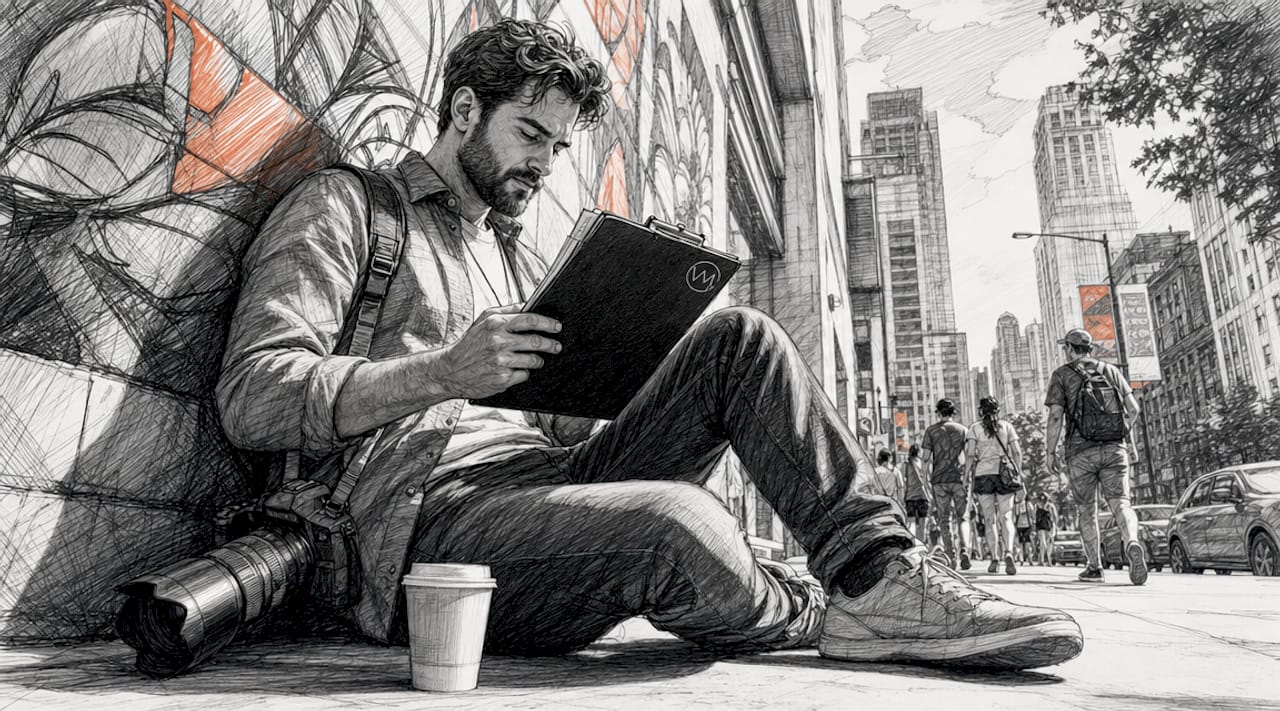
Sequencing opening, rising tension, reflection, and call to action enhances audience experience the same way a well-structured film does. Map out your event's emotional beats in advance: the anticipation before doors open, the peak moment of connection, the quiet reflection afterward. This is one of the most underused storytelling techniques for events because most videographers plan shots, not feelings. A narrative arc gives your editor a spine to build around rather than a pile of clips to sort through.
3. Keep it under two minutes and own one theme
Short, thematic videos outperform longer event recaps in audience retention consistently. A two-minute film about the moment a bride sees her father for the first time will generate more shares than a ten-minute full-ceremony cut. Pick one emotion or one story thread per video asset. This discipline is especially useful when producing multiple deliverables from a single event, such as a ceremony film, a reception highlight, and a social teaser. Each piece earns its own audience.
4. Capture micro-moments, not just milestones
Candid laughter and audience reactions yield higher engagement than stage recordings. The grandmother wiping a tear. The best man's face during the vows. A child spinning on the dance floor. These are the frames people pause on. Micro-moments humanize footage in a way that formal coverage cannot replicate. Build them into your shot list as deliberate targets, not happy accidents. A second camera operator dedicated entirely to reaction shots is one of the highest-value investments in event videography.
5. Use mystery and discovery to drive engagement
Curiosity and discovery turn attendees into active explorers, which boosts both emotion and retention. Here are four ways to build mystery into your creative event video concepts:
- Reveal structure. Open with an unresolved emotional moment, then build toward its context. Show the tears before you show the vows.
- Thematic unlocks. Release a series of short clips over several days post-event, each revealing a different story thread.
- Hidden content. Embed QR codes in printed programs or venue signage that link to exclusive behind-the-scenes footage.
- Audience-sourced endings. Collect guest video messages at the event and weave them into a final chapter released 48 hours later.
6. Mix camera angles for cinematic depth
Wide establishing shots set the scene. Medium shots capture interaction. Tight close-ups deliver emotion. Using all three in deliberate sequence is one of the most practical event videography tips that separates professional films from amateur recordings. A drone shot of a vineyard ceremony followed by a close-up of clasped hands during vows creates a visual contrast that amplifies feeling. Smooth camera movement, whether on a gimbal or a slider, signals production quality to viewers before they consciously register it.
Pro Tip: Shoot your wide establishing shots at the start of each event segment when the space is cleanest. You cannot recreate an empty ceremony aisle once guests are seated.
7. Let music drive the edit, not the other way around
Soundtrack selection shapes the emotional experience of a video more than any single visual element. Choosing the right soundtrack before editing, rather than scoring to finished cuts, forces a pacing discipline that makes films feel intentional. Match the tempo of your cuts to the rhythm of the music. A slow build in the score should correspond to a slow reveal in the visuals. This is how storytelling in videography creates emotional momentum rather than just documenting a sequence of events.
8. Use testimonials as narrative anchors
Interviews and testimonials give event videos a voice that B-roll alone cannot provide. A 15-second clip of a guest saying "I have never seen anything like this" carries more persuasive weight than two minutes of crowd footage. Record short, specific testimonials during the event itself, not just at the end when energy has dropped. Ask questions that prompt story responses: "What was the moment you will remember most?" rather than "Did you enjoy the event?"
9. Deliver personalized highlight videos fast
AI-powered personalized recap videos enhance post-event connection and sharing when delivered within 72 hours. The Boomtown Festival used this approach to drive record sales by giving attendees a video that felt made specifically for them. For weddings and corporate events, the same principle applies. A couple receiving their highlight film within 48 hours of their wedding shares it while the emotional memory is still fresh. Delays reduce both social shareability and perceived value. Build your post-event delivery workflow before the event, not after.
10. Tailor your approach to the event type
Different events demand different storytelling strategies. The table below maps each event type to its most effective creative approach.
| Event type | Primary storytelling focus | Key technique |
|---|---|---|
| Wedding | Intimacy and emotional arc | Soundtrack-driven editing, close-up micro-moments |
| Corporate event | Brand message and credibility | Testimonials, speaker highlights, audience reactions |
| Festival or celebration | Energy and immersive discovery | Crowd footage, thematic unlocks, drone coverage |
| Milestone celebration | Personal legacy and nostalgia | Interview-led narrative, archival photo integration |
Wedding videos benefit most from storytelling that transforms the film into a personal cinematic experience. Corporate events need clear message delivery and proof of audience engagement. Festivals thrive on energy and the feeling of being inside something larger than yourself. Knowing which mode you are in before you arrive changes everything about how you shoot.
11. Plan your video goals before the event, not after
Pre-event planning of framing, audio, and story goals improves final video quality significantly. Define what assets you need, where the key story moments will occur, and what audio you must capture cleanly. A missed vow exchange or a muffled speech cannot be fixed in post-production. Walk the venue the day before. Test your audio setup. Confirm the run of show with the event coordinator. The benefits of storytelling in videography only materialize when the raw material is there to work with.
Key takeaways
The most effective event video storytelling combines a defined hero, a pre-planned narrative arc, and deliberate micro-moment capture to produce films that audiences remember and share.
| Point | Details |
|---|---|
| Hero-centered narrative | Identify your central character before shooting to shape every creative decision. |
| Short and thematic wins | Videos under two minutes focused on one emotion consistently outperform long recaps. |
| Micro-moments matter | Candid reactions drive more engagement than formal staged footage. |
| Deliver fast | Personalized highlight videos shared within 72 hours maximize social impact. |
| Plan before you shoot | Define audio, framing, and story goals pre-event to protect footage quality. |
Why narrative clarity before the shoot changes everything
I have been on enough shoots to know that the edit is only as good as the intention behind the camera. Most videographers think storytelling happens in post-production. It does not. It happens in the 30 minutes before the ceremony when you walk the space, identify where the light will fall, and decide which three moments you absolutely cannot miss. The couples and planners who get the most out of their event films are the ones who treat the pre-shoot conversation as seriously as the shoot itself.
The trend toward AI-generated highlight reels is real and worth paying attention to. But technology does not replace the judgment call of knowing when to hold on a face instead of cutting away. Authenticity in event video comes from a filmmaker who is present, not just recording. The most shared wedding films I have seen are not the ones with the most drone footage. They are the ones where someone caught a father mouthing "I love you" from across the room.
Embrace planned vulnerability in your shot list. Give yourself permission to capture the imperfect, unscripted moments. Those are the frames that make people say "that is exactly how it felt." Follow Visualize Media on Instagram to see how this philosophy translates into real films.
— Anthony
See your event story told the way it deserves
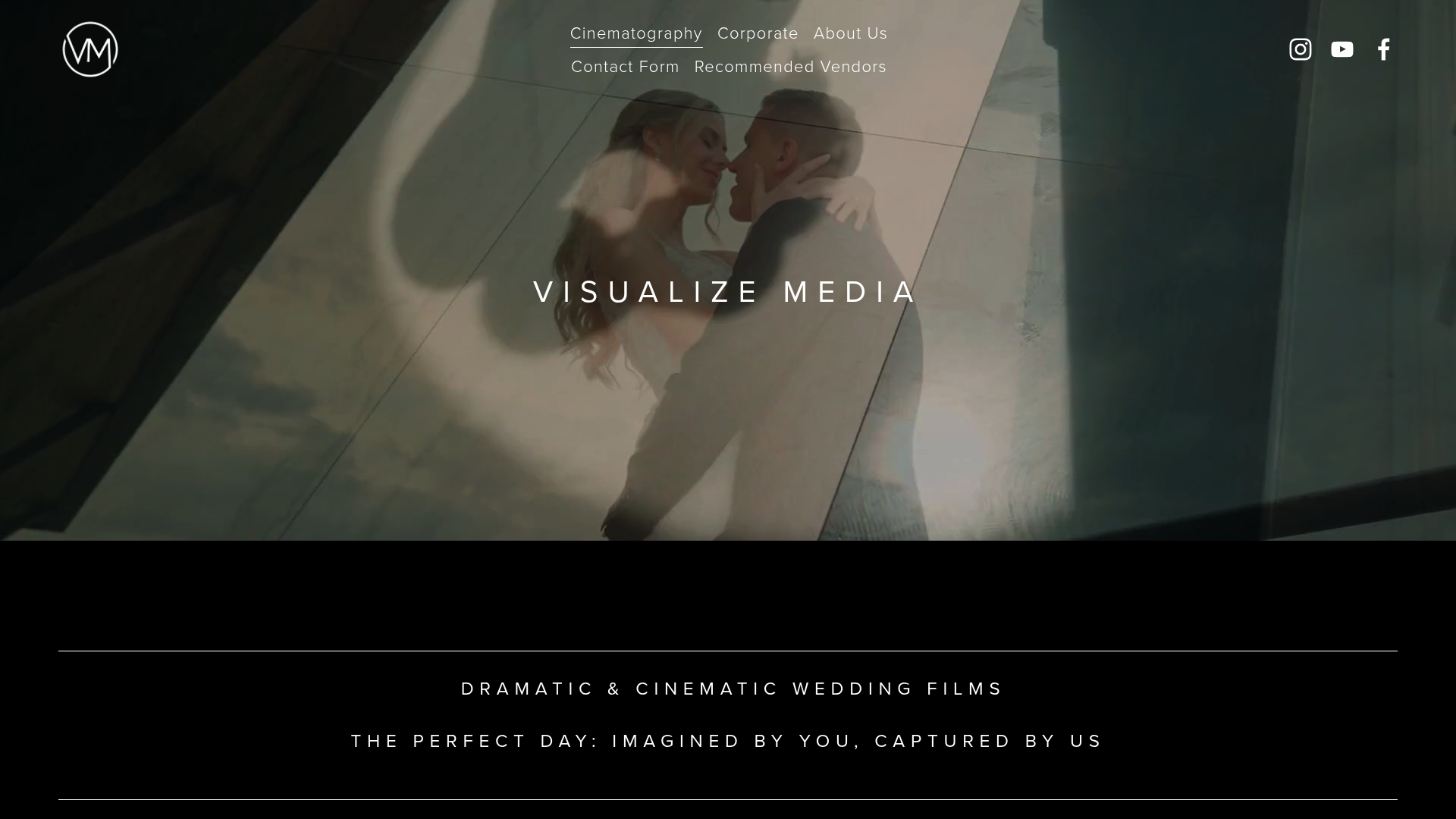
Visualize Media specializes in cinematic wedding and event films across New York and New Jersey, built on every storytelling principle covered in this article. Multi-camera coverage, aerial footage, color grading, and a filmmaker's instinct for the moments that matter most. If you are planning a wedding or a milestone celebration and want a film that captures the real emotional weight of the day, explore wedding and event cinematography from Visualize Media. The portfolio speaks for itself, and the booking process starts with a single conversation.
FAQ
What makes event video storytelling different from regular coverage?
Event video storytelling uses a defined narrative arc, a central character, and deliberate emotional beats to create a film rather than a record. Standard coverage documents what happened. Storytelling makes viewers feel it.
How long should an event highlight video be?
Videos under two minutes focused on a single theme consistently outperform longer recaps in audience retention. For social platforms, 60 to 90 seconds is the most shareable format.
When should personalized event videos be delivered?
Delivering personalized videos within 72 hours of the event maximizes social sharing and emotional impact. Delays beyond that window reduce both perceived value and organic reach.
What is the most important pre-production step for event videography?
Defining your story goals, shot list, and audio requirements before the event is the single most impactful step. Footage you do not capture cannot be recovered in editing.
How do Super 8 cameras fit into modern event video storytelling?
Super 8 cameras add a warm, grainy, analog texture that digital footage cannot replicate. At weddings especially, Super 8 footage creates an instant sense of nostalgia and intimacy, making it one of the most distinctive creative event video concepts available to filmmakers today.