

Winter weddings produce some of the most cinematic footage of any season. Snow-covered landscapes, candlelit receptions, and visible breath in freezing air give you visual material that summer simply cannot replicate. Getting it right, though, demands preparation that goes well beyond a standard shoot day.
Here is what every videographer needs to know before filming a winter wedding:
- Carry two to three times your normal battery supply, stored warm against your body or in insulated pouches with hand warmers
- Shoot outdoor portraits in short bursts to keep the couple relaxed and natural on camera
- Increase exposure compensation by 10–15% to counteract snow's reflective brightness tricking your meter
- Seal cameras in airtight bags before moving from cold air to warm interiors, then allow 20–30 minutes to acclimate
- Use furry windshield covers ("dead cats") on every outdoor microphone and always run a backup recorder
- Embrace winter's visual gifts: breath in cold air, frost on windows, steam rising off water
- Plan your timeline around daylight, which disappears fast in December and January
How to feature winter scenery in your wedding film
Winter scenery does the heavy lifting when you use it intentionally. Snow-covered pine trees, frost on iron railings, and strings of holiday lights all function as natural set dressing that no production budget could recreate. The key is treating these elements as cinematic storytelling tools rather than incidental background.
- Use wide establishing shots of the snowy venue exterior to open the film and set the season immediately
- Frame holiday lights in the background with a wide aperture for soft bokeh that reads as warmth and celebration
- Contrast the white, monochrome landscape with a single vivid color: a burgundy bridesmaid dress, a red berry arrangement, an emerald green garland
- Incorporate seasonal decor details like pinecones, frosted greenery, and candlelit centerpieces as transition shots between ceremony and reception
- Shoot in black and white when the snow creates a naturally high-contrast scene; the result carries a retro, emotional weight that winter light handles beautifully
Industry pros recommend embracing winter atmospherics like steam rising from rivers or snow settling on tree branches rather than treating them as obstacles. These details enrich the film's narrative in ways that no summer backdrop can.
Always bring warm blankets and hot drinks for the couple during outdoor scenes. A bride who is genuinely comfortable looks completely different on camera than one who is shivering through gritted teeth.
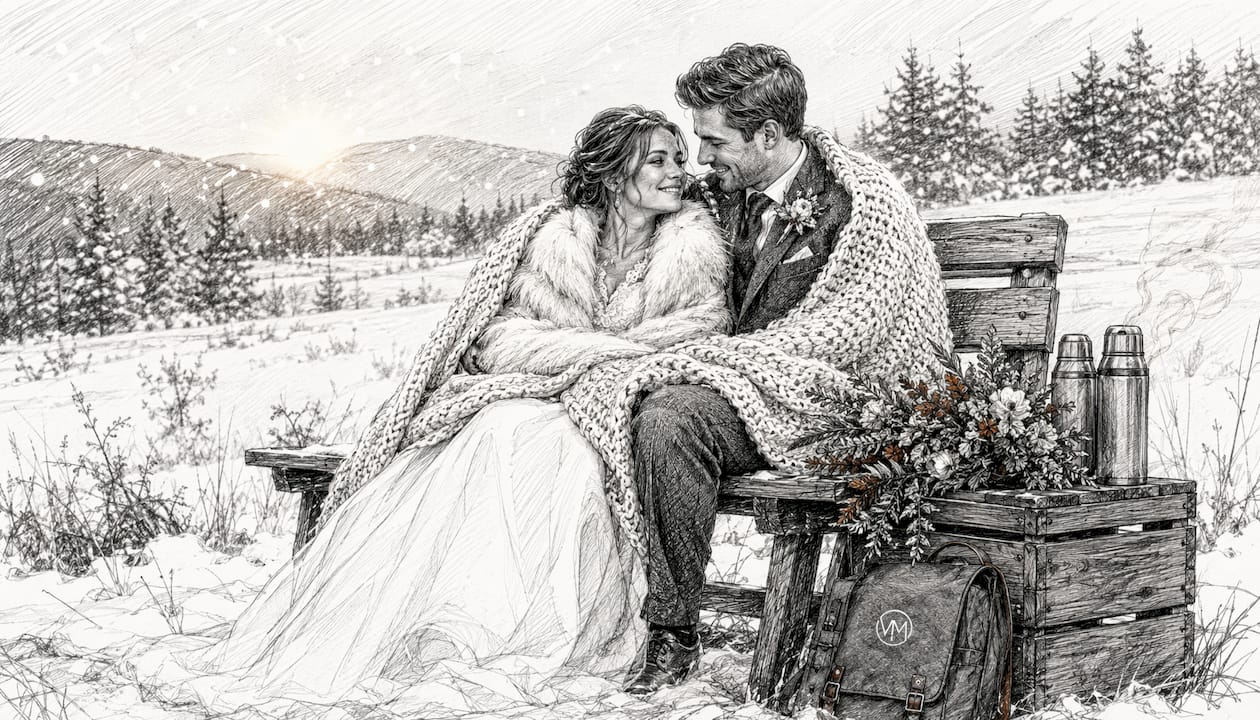
Pro Tip: Watch for the moment you can see the groom's breath as he whispers to the bride, or the bride catching a snowflake on her tongue. These fleeting, unrepeatable seconds are what make winter wedding films feel alive.
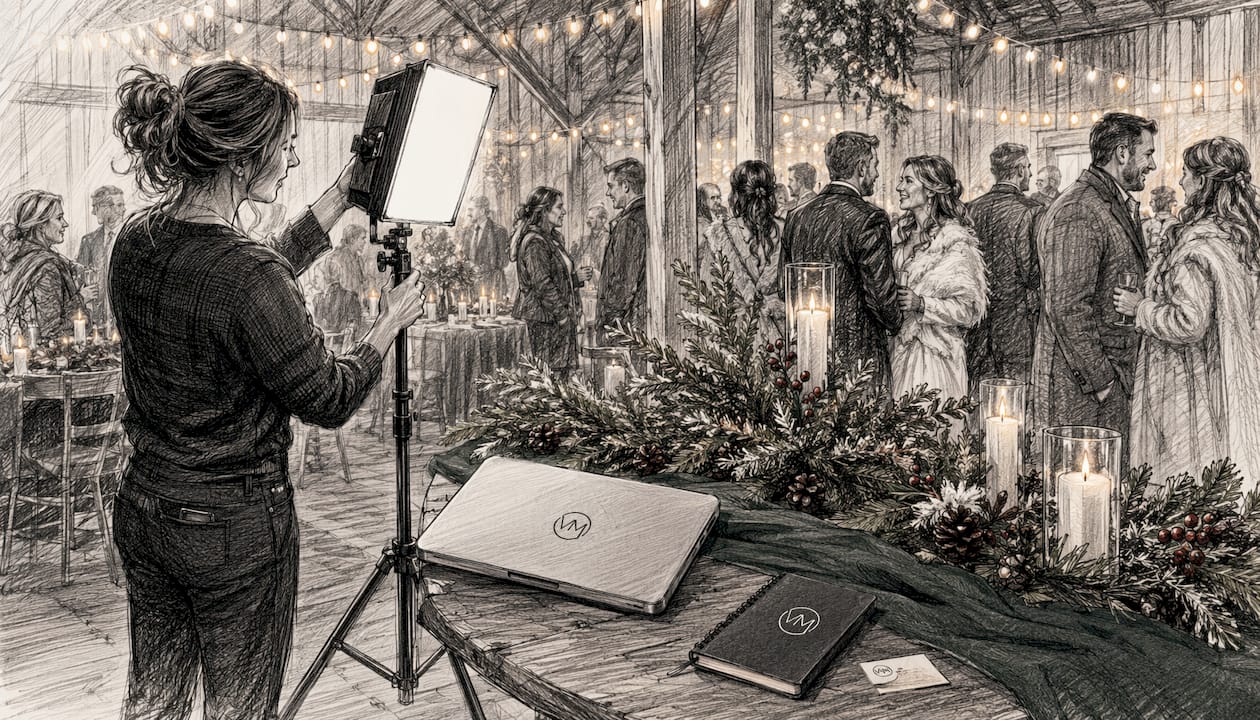
Adjusting your exposure and lighting for snowy conditions
Snow is one of the most deceptive surfaces a camera meter will ever encounter. Its high reflectivity causes the sensor to read the scene as brighter than it actually is, which pushes your subject into underexposure. Increasing exposure compensation by 10–15% corrects this and keeps faces properly lit against a bright white background.
- Dial in positive exposure compensation (+0.7 to +1.3 EV, or about 10–15% over your meter's reading) when shooting against snow in direct or overcast light
- Switch to spot metering and lock exposure on the subject's face rather than the overall scene
- On overcast days, the flat gray sky softens shadows beautifully but reduces overall brightness; supplement with a battery-powered LED panel to lift faces
- Plan your outdoor portrait window around the golden hour, when the low winter sun casts warm, directional light across snow for a genuinely cinematic look
- Bring external LED lights and a portable flash to every winter shoot; daylight disappears without warning in January and February
For a deeper breakdown of how to build your artificial lighting setup for winter receptions, the principles of color temperature consistency matter especially when mixing window light with venue fixtures.
Equipment protection and handling in cold weather
Cold weather does not just make shooting uncomfortable. It actively degrades your gear in ways that can end a shoot. Battery drain accelerates sharply in freezing temperatures, which means carrying two to three times your normal supply stored warm in insulated pouches with chemical hand warmers.
- Store spare batteries inside a jacket pocket or an insulated pouch; never leave them in a bag sitting in the cold
- Seal cameras in airtight bags before re-entering a heated venue and allow 20–30 minutes of acclimation to prevent condensation from forming on internal optics
- Use neoprene or waterproof camera covers for outdoor shooting in snow or sleet
- Fit furry windshield covers on every exposed microphone and run a minimum of two independent audio recorders simultaneously for any outdoor vow exchange
- Keep a lens cloth accessible at all times; breath and snowflakes fog glass faster than you expect
- Wear thin liner gloves under heavier outer gloves so you can operate controls without fully exposing your hands
Audio is where winter shoots most often fail silently. Wind noise recorded over vows is not fixable in post. Multiple redundant tracks are the only real insurance.
Creative posing, scheduling, and styling for winter shoots
Outdoor winter shoots should be brief by design. Keeping the couple outside for extended periods produces stiff, uncomfortable footage. Short, purposeful bursts of 60–90 seconds at a time yield far more natural expressions and movement.
- Schedule outdoor portrait sessions earlier in the afternoon to capture usable daylight; extending the drinks reception by a couple hours creates a natural window for this
- Encourage the couple to wear stylish outerwear they actually like on camera: a faux fur stole, a velvet cape, or a tailored wool coat reads beautifully against snow
- Use movement-based direction rather than static poses: walking together, sharing a blanket, or exchanging a warm drink produces authentic footage
- Build a contingency plan for every outdoor location; identify covered doorways, porches, or interior hallways at the venue in advance
- Incorporate seasonal entertainment moments: sparkler exits, marshmallow toasting, or a mulled wine station all give the videographer dynamic, relaxed footage
Pro Tip: When weather forces you inside, position the couple near the largest window in the room. Window light in winter is soft, directional, and flattering in a way that no artificial source fully replicates.
Super 8 cameras and the nostalgic winter wedding film
Super 8 film brings a visual quality that no digital codec currently reproduces. The grain structure, the warm color rendering, and the slight softness in the highlights all suit winter scenes in a way that feels less like a stylistic choice and more like a memory already formed.
- Super 8 film has limited dynamic range, so expose carefully in high-contrast snow scenes; slight overexposure on highlights is forgivable, but blown-out faces are not
- Keep film canisters warm before loading; cold film becomes brittle and can snap during transport through the camera gate
- Shoot Super 8 for getting-ready moments, quiet ceremony details, and reception candids rather than primary coverage; it works as a layer, not a replacement
- Integrate Super 8 clips with digital footage in the edit by matching the color grade of your digital footage to the warmer, lower-contrast look of the film rather than trying to make the film look digital
- For couples interested in this approach, Visualizemedia incorporates Super 8 film elements into cinematic wedding packages for New York and New Jersey weddings
Follow Visualizemedia on Instagram at @visualizemedia for examples of Super 8 integrated into winter wedding films.
Indoor shooting considerations
Winter receptions spend most of their time indoors, and indoor footage lives or dies on lighting consistency. Videography captures continuous movement, so flickering or mixed color temperature light creates footage that looks unstable and unflattering across a full scene.
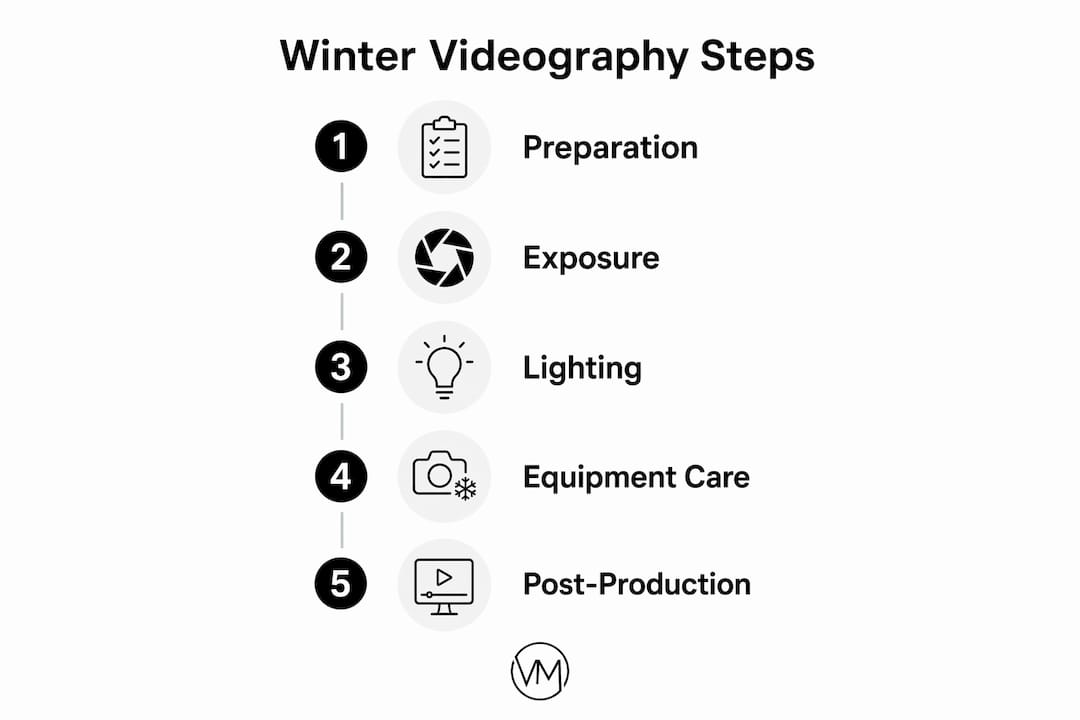
Position the couple and key speakers near windows whenever possible during the earlier part of the day. High-CRI LED panels supplement window light without introducing the color shift that cheaper fixtures produce. For speeches and the first dance, ask the venue coordinator in advance whether colored DJ lighting can be held until after the formal moments; green or purple light on faces during vows is not correctable in post. Candles in clusters, warm fairy lights, and subtle uplighting all contribute to the layered, glowing look that defines a great winter reception film.
Post-production techniques for winter footage
Winter footage tends to run cool and flat straight out of the camera. Snow pulls blue into the shadows, overcast skies flatten contrast, and interior mixed lighting creates inconsistent skin tones across cuts. Color grading is where a winter wedding film either comes together or falls apart.
Start by correcting white balance shot by shot rather than applying a single global grade; the shift from outdoor snow to candlelit interior is too large for one LUT to handle cleanly. Lift the shadows slightly to open up the darker areas without losing the moody quality that makes winter footage distinctive. Add warmth selectively to skin tones using a secondary correction rather than warming the entire frame, which would turn snow gray. For black-and-white sequences, boost contrast and pull down the highlights on snow to prevent clipping. Sound design matters as much as the visual grade: layer in ambient winter audio, soft wind, distant bells, or the crunch of footsteps in snow to ground the viewer in the season.
Safety precautions for outdoor shooting on ice and snow
Icy surfaces are a genuine hazard for anyone carrying expensive, heavy equipment. A videographer moving quickly to reposition during a ceremony is exactly the person most likely to slip.
Wear boots with aggressive rubber soles, not fashion footwear. Scout the outdoor locations before the wedding day and identify any iced-over paths, uneven ground hidden under snow, or steps without grip tape. When shooting on a slope or near a frozen body of water, assign a second person to watch your footing if you are operating a gimbal or shoulder rig. Keep camera bags closed and off the ground to prevent moisture absorption from snow. If conditions deteriorate sharply during the day, call the outdoor session early. No establishing shot is worth a fall with a cinema camera.
Key Takeaways
Successful winter wedding videography depends on preparation, adaptability, and the willingness to treat cold-weather conditions as creative assets rather than obstacles.
| Point | Details |
|---|---|
| Expose for the subject, not the snow | Increase exposure compensation by 10–15% to prevent snow's reflectivity from underexposing faces. |
| Protect batteries and gear | Store spare batteries warm in insulated pouches with hand warmers; seal cameras in airtight bags before re-entering heated spaces. |
| Keep outdoor sessions short | Brief outdoor bursts of 60–90 seconds produce more natural, relaxed footage than extended cold exposure. |
| Run redundant audio | Use furry windshield covers on all outdoor mics and record at least two independent audio tracks simultaneously. |
| Use Super 8 as a creative layer | Super 8 film adds warmth and grain that suits winter scenes; integrate it with digital footage rather than replacing primary coverage. |
Planning a winter wedding in New York or New Jersey? Visualizemedia specializes in cinematic wedding films that capture every season's distinct character, from snow-covered exteriors to candlelit receptions.

Get in touch to discuss your winter wedding film.