

Choosing the right wedding vendors is the single most consequential set of decisions you will make during your entire planning process. Every vendor you hire, from your venue to your videographer, shapes the experience your guests remember and the memories you keep forever. Platforms like The Knot, WeddingWire, and venue preferred vendor lists give you a starting point, but knowing how to choose wedding vendors with confidence requires a structured, criteria-based approach. This guide walks you through every step, from building your vendor list to signing contracts without regret.
What types of vendors do you need and when should you book them?
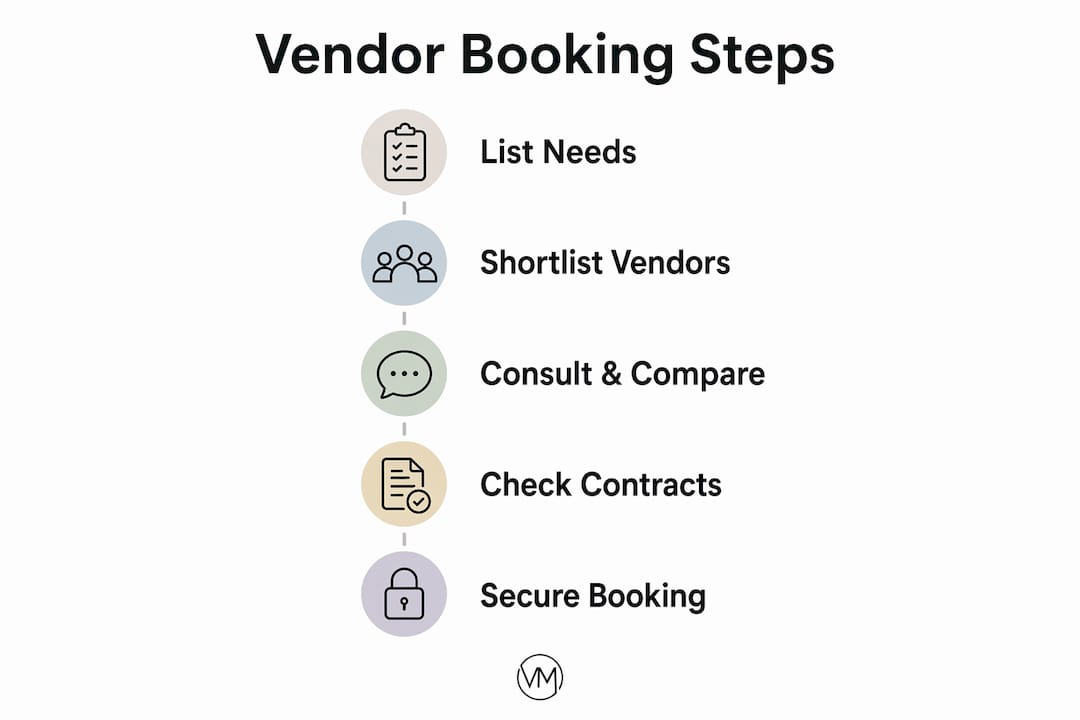
Wedding vendor selection starts with knowing exactly what you need and when each category must be secured. Booking out of sequence is one of the most common planning mistakes couples make, and it costs them their first-choice vendors.
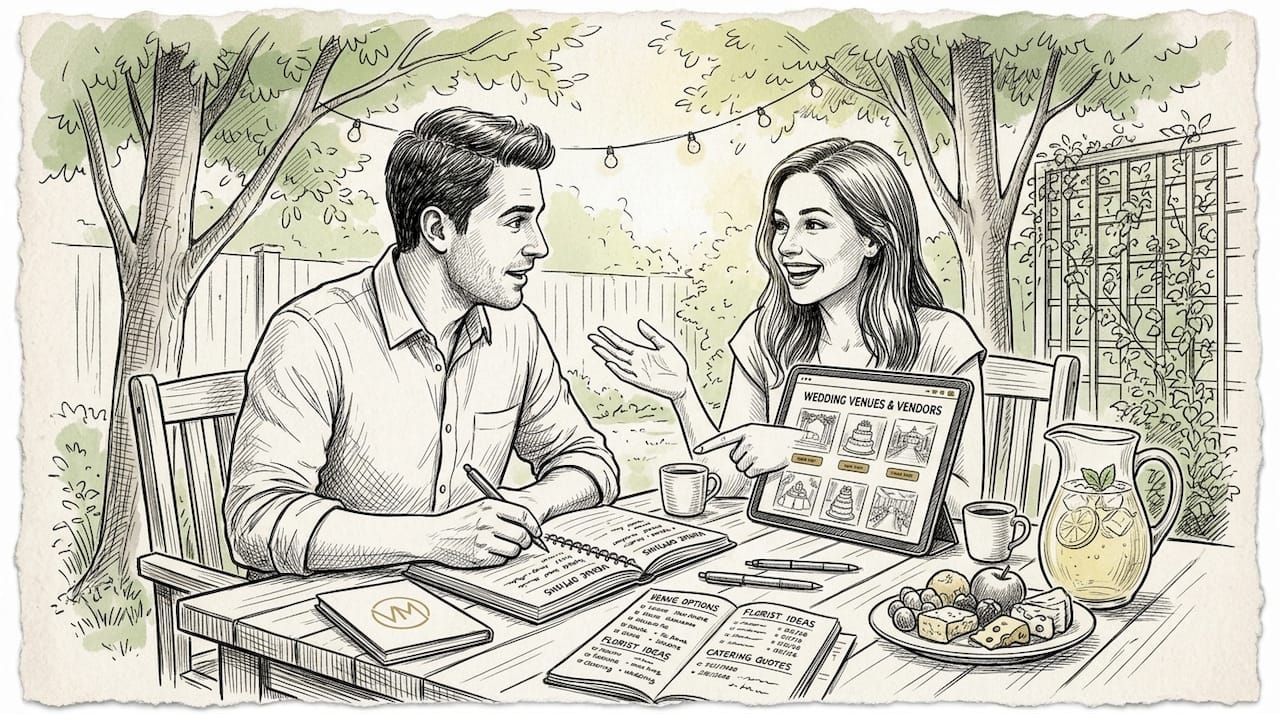
The booking sequence follows a clear priority order: venue and wedding planner at 12 to 18 months out, photographer and videographer at 12 to 14 months, florist and officiant at 8 to 10 months, and rentals plus transportation at 4 to 6 months. Your venue locks in your date and guest count, which every other vendor depends on. Photography and videography book fastest because the best teams carry limited availability.
Here is a practical breakdown of vendor categories by priority:
- Must-book first: Venue, wedding planner, photographer, videographer
- Book 8 to 10 months out: Florist, officiant, caterer (if not included with venue), baker
- Book 4 to 6 months out: DJ or band, hair and makeup, transportation, photo booth
- Book 2 to 3 months out: Rentals, day-of coordinator, favors and stationery vendors
Budget allocation matters as much as timing. Venues typically consume 30 to 35 percent of a total wedding budget. Catering runs 25 to 30 percent. Photography and videography together account for roughly 10 to 15 percent, making them among the highest-value investments relative to their lasting impact.
Pro Tip: Book your photographer and videographer immediately after securing your venue. These vendors fill their calendars 12 to 14 months in advance, and waiting even a few weeks after your venue deposit can mean losing your top choice.
Where do you find reliable wedding vendors?
Finding qualified vendors starts with the right sources, not just a Google search. The most reliable discovery methods combine curated platforms, personal referrals, and direct venue guidance.
- Use The Knot Vendor Marketplace. Filter by location, vendor category, price range, and your wedding date to generate a targeted shortlist. This workflow eliminates vendors who are already booked or outside your budget before you ever reach out.
- Request your venue's preferred vendor list. Venues recommend vendors they have worked with successfully. These vendors already know the space, the lighting, and the logistics, which reduces risk significantly.
- Read reviews across multiple platforms. Cross-reference Google, WeddingWire, and Yelp for each vendor. A vendor with 50 five-star reviews on one platform but no presence elsewhere warrants closer scrutiny.
- Browse real wedding galleries. Styled shoots look polished but reveal nothing about how a vendor performs under actual wedding-day pressure. Seek out galleries from real events.
- Use social media as a filter, not a final answer. Instagram is useful for assessing aesthetic style, but polished social media can mislead. Consistent reviews and a professional website matter more than follower counts.
Limit your shortlist to three vendors per category. Comparing more than that creates decision fatigue and slows your timeline.
Pro Tip: Ask your photographer or planner for vendor referrals. Vendors who work together regularly communicate better on the wedding day, which directly reduces coordination errors.
You can also explore WeddingWire alternatives if you want to cast a wider net beyond the major platforms.
How do you compare and evaluate vendors effectively?
Comparing vendors without a framework leads to decisions driven by price alone or by whoever had the best sales pitch. A weighted scorecard removes emotion from the process and makes your final choice defensible.
| Criteria | Weight | What to evaluate |
|---|---|---|
| Reviews and reputation | 30% | Consistency across Google, WeddingWire, and Yelp |
| Communication speed | 20% | Response time and clarity during initial inquiry |
| Pricing and transparency | 20% | Itemized quotes vs. vague package descriptions |
| Portfolio quality | 20% | Full weddings, not just highlight reels |
| Contract terms | 10% | Cancellation policy, insurance, backup plans |
For photographers and videographers, request 2 to 3 full weddings rather than highlight reels. Full galleries reveal how a vendor handles low light, crowded reception halls, and unpredictable moments. For caterers and bakers, request tasting sessions and sample menus before signing anything.
Consultations are essential for assessing communication style and cultural fit. A vendor who responds slowly during the sales process will respond slowly on your wedding day. Trust that signal.
Watch for these red flags during vendor evaluation:
- No written contract offered
- Vague or all-inclusive pricing with no itemization
- Reluctance to provide proof of liability insurance
- No documented backup plan for illness or emergencies
- Poor response times or defensive answers to direct questions
Pro Tip: Prepare a standard list of questions before every vendor consultation. Visualize Media has a vendor questionnaire template that covers the questions most couples forget to ask.
Common pitfalls to avoid when securing your vendors
Even couples who research thoroughly make avoidable mistakes at the contract stage. These errors create budget surprises, vendor disputes, and unnecessary stress in the weeks before the wedding.
Never pay the full vendor fee upfront. A standard deposit runs 25 to 50 percent, with the balance due closer to the event date. Full upfront payment removes your leverage if a dispute arises. Always insist on an itemized quote. Vague pricing like "full-day coverage" without line items hides overtime fees, travel charges, and equipment costs that surface later.
Confirm minimums before you fall in love with a vendor. Florists often require $1,500 or more in minimum orders, and caterers may require a guest minimum of 75 or more. Discovering these thresholds after you have mentally committed to a vendor forces a budget restructure at the worst possible time.
Negotiate from a position of research. Start with a justified number based on comparable market pricing, not an arbitrary discount request. Vendors respond better to informed negotiation than to general appeals for a lower price.
Keep a dedicated folder, digital or physical, for every vendor contract, deposit receipt, and email thread. When a dispute arises at 11 p.m. the night before your wedding, having documentation at hand is the difference between a quick resolution and a crisis.
Verify that every vendor carries liability insurance. This protects you if a vendor causes property damage at your venue or if an accident occurs during the event.
Key takeaways
Choosing wedding vendors well requires a structured process that starts early, uses multiple research sources, and evaluates each candidate against consistent criteria.
| Point | Details |
|---|---|
| Book in sequence | Secure venue first, then photographer and videographer within 12 to 14 months of your date. |
| Use multiple sources | Combine The Knot filters, venue referrals, and cross-platform reviews to build a reliable shortlist. |
| Score every vendor | Apply a weighted scorecard covering reviews, communication, pricing, portfolio, and contract terms. |
| Confirm minimums early | Ask florists and caterers about minimum orders before committing to avoid budget surprises. |
| Document everything | Keep contracts, deposits, and email records organized to protect yourself through the planning process. |
What I have learned from watching couples choose their vendors
I have filmed enough weddings to know that the couples who stress the least on their wedding day are the ones who chose their vendors based on trust, not just price. The vendor with the most Instagram followers is not always the most reliable person in the room when the timeline slips or the lighting changes unexpectedly.
The chemistry you feel during a consultation is real data. If a vendor makes you feel rushed, dismissed, or confused during a sales call, that dynamic does not improve once they have your deposit. I have seen couples override that instinct because the portfolio was stunning, and they almost always regret it.
Social media is a highlight reel. Consistent online presence across multiple platforms, paired with detailed written reviews, tells you far more about how a vendor actually operates. One viral post proves nothing. Fifty reviews that mention punctuality, professionalism, and clear communication prove a great deal.
Start early, use a scorecard, and trust your gut when the numbers are close. The vendors who show up prepared, communicate clearly, and treat your day like it matters are the ones worth every dollar.
Follow us on Instagram for real wedding films and behind-the-scenes content from our shoots across New York and New Jersey.
— Anthony
Visualize Media: cinematic wedding coverage for NY and NJ couples
When you are ready to choose your wedding videographer and photographer, Visualize Media brings a filmmaker's eye to every moment of your day.
Visualize Media specializes in luxury wedding cinematography and photography for couples across New York and New Jersey. Every package includes multi-camera coverage, aerial footage, professional color grading, and full ceremony edits designed to tell your story the way it actually felt. The team works regularly with top NJ and NYC venues, which means seamless coordination with your full vendor team. Explore package options and reach out to start a conversation about your date.
FAQ
How far in advance should you book wedding vendors?
Book your venue and planner 12 to 18 months before your wedding date, and secure your photographer and videographer within 12 to 14 months. Popular vendors fill their calendars quickly, especially for peak season dates.
What questions should you ask wedding vendors before signing?
Ask about their experience with your venue, their backup plan if they cannot attend, proof of liability insurance, and their cancellation and refund policy. A vendor questionnaire helps you stay consistent across every consultation.
How do you spot red flags when evaluating wedding vendors?
Red flags include no written contract, vague pricing without itemization, slow response times, and no proof of insurance. Lack of a contract is the most serious warning sign and should disqualify a vendor immediately.
How do you negotiate wedding vendor pricing?
Research comparable market rates first, then present a justified offer rather than a general request for a discount. Starting with market data gives your negotiation credibility and increases the chance of a favorable outcome.
How many vendors should you shortlist per category?
Limit your shortlist to three vendors per category. Comparing more creates decision fatigue and delays booking, which risks losing your preferred vendors to other couples on the same date.