
A luxury wedding videographer's cinematic brand identity is an authored, consistent filmmaking language, not a list of add-ons. It shows up in how the camera moves, how sound is captured, how footage is paced, and whether textures like Super 8 are used with intention rather than decoration. You can verify it in under two minutes without any technical background.
Before you book anyone, run three quick checks:
- Watch a full film, not the reel. Highlight videos hide weak audio and inconsistent lighting.
- Listen for the vows. If ceremony audio sounds thin or missing, the "cinematic" claim is mostly visual polish.
- Track the color and pacing across the whole film. A consistent palette and rhythm from getting-ready to reception signals a real authored style, not a lucky edit.
Visualize Media is a working example of this identity in practice across New York and New Jersey weddings, and its Instagram feed is a fast way to see the pattern repeat across different couples and venues.
Key Takeaways
A cinematic wedding videography brand identity is a consistent filmmaking language across camera work, sound, pacing, and texture that couples can verify by watching full films rather than highlight reels.
| Point | Details |
|---|---|
| Definition first | Cinematic identity means consistent camera movement, editing, color grading, and sound across every wedding a studio shoots. |
| Watch full films | Full-length films reveal audio quality, low-light handling, and pacing that highlight reels routinely hide. |
| Super 8 adds texture, not filler | Analog inserts work best as deliberate mood moments, paired with digital for vows and narrative-critical scenes. |
| Ask specific questions | Confirm audio methods, backup plans, revision rounds, and how Super 8 footage gets used before booking. |
| Visualize Media | Offers multi-camera coverage, aerial footage, color grading, and Super 8 add-ons for NY and NJ weddings, viewable in full on Instagram. |
How to Create a Videography Brand Identity Through Filmmaking Choices
Every element of how to create videography brand identity traces back to five filmmaking decisions, and each one is something you can actually see on screen.
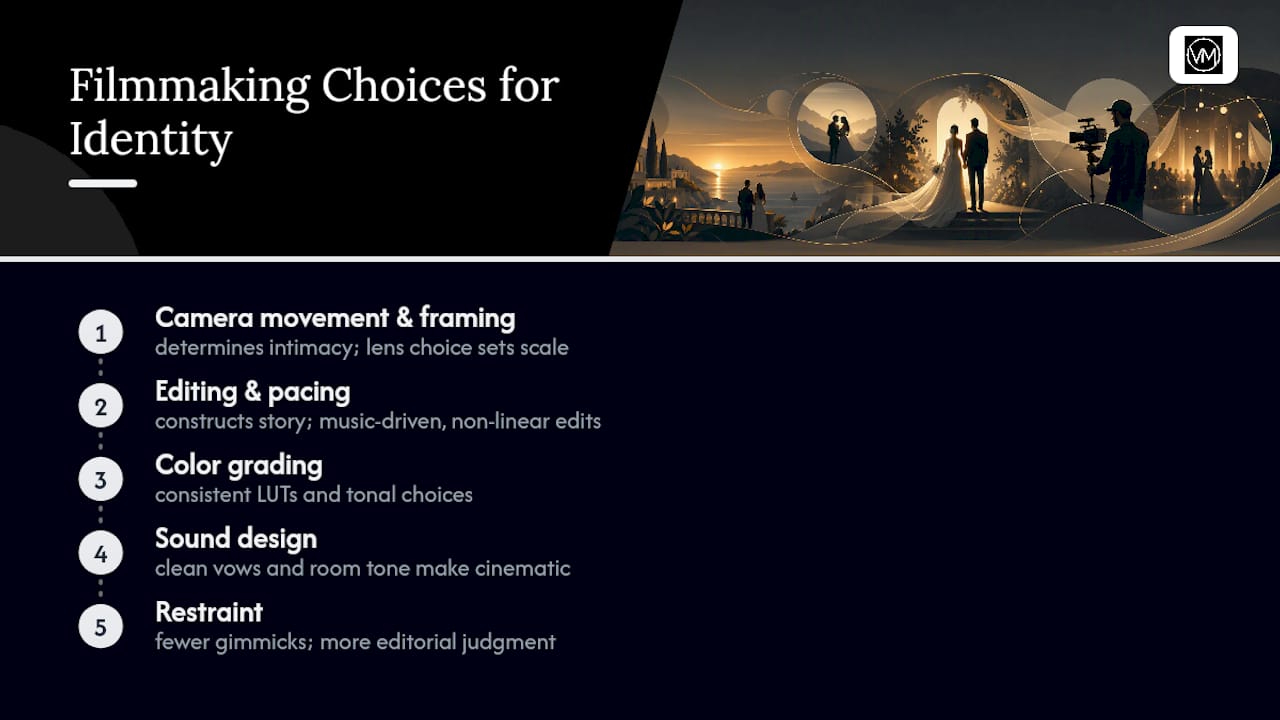
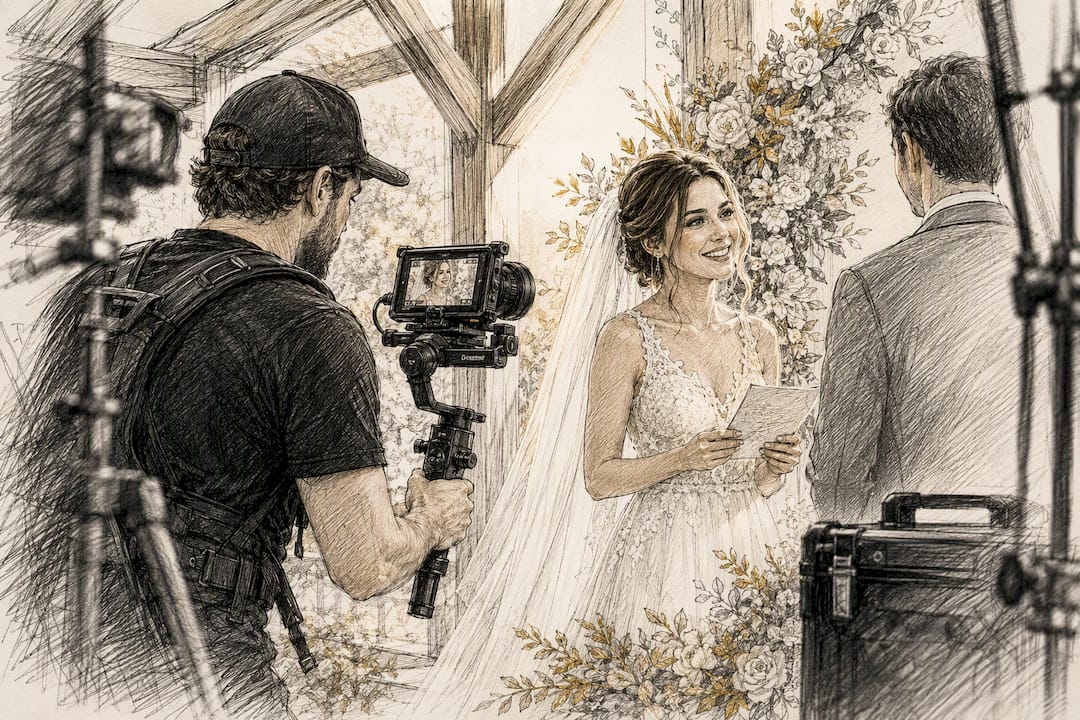
Camera movement, framing, and lenses determine intimacy. A slow push toward a bride's face during vows reads differently than a static wide shot. Shallow depth of field isolates emotion from background clutter; wider lenses establish scale during a ceremony entrance.
Editing and pacing turn footage into a story. Cinematic editors build non-linear structure, often opening with a speech excerpt before jumping back to morning prep, timed to a music-driven edit rather than a strict chronological cut.
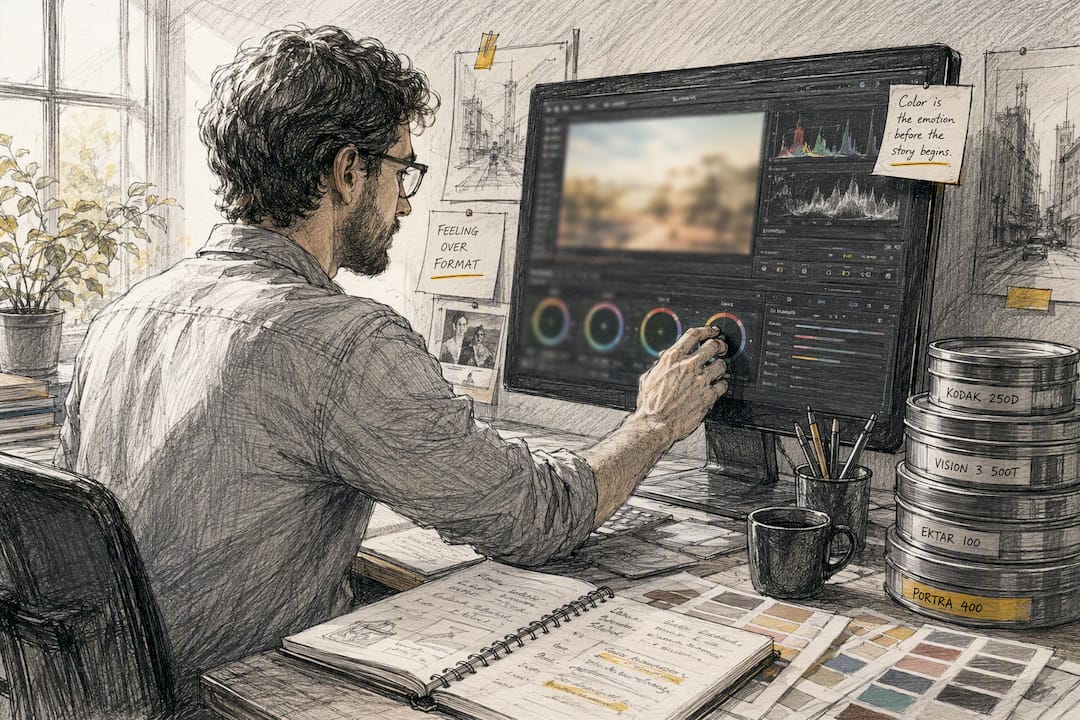
Color grading is where a filmmaker's identity gets consistent. A studio that reuses the same LUTs and tonal choices across weddings is telling you they have an authored look, not a preset applied inconsistently per event, as Luke Batchelor Productions explains in its breakdown of what cinematic actually means.
Sound design separates cinematic work from pretty footage. Clean vow audio and ambient room tone matter more than a beautiful shot with muffled dialogue, since sound is often what makes a film feel cinematic in the first place.
Restraint ties it together: fewer gimmicks, more editorial judgment.
Pro Tip: Ask to see two films from different seasons. If the color grading and pacing feel like the same filmmaker made both, that consistency is the brand identity.
Why Super 8 and Mixed-Format Footage Shape a Cinematic Identity
Super 8 film brings a texture no digital sensor replicates: soft grain, warm color shifts, and a nostalgic quality that reads as timeless rather than trendy. That imperfection is the point. It adds emotional weight to moments that don't need to be technically perfect, just felt.
The format also imposes real constraints. Cartridges run out fast, there's no instant playback, and a filmmaker can't reshoot a missed moment. That forces intentional, selective shooting instead of continuous coverage, which is exactly why experienced filmmakers treat Super 8 as an editorial tool rather than a gimmick.
Most luxury studios mix formats deliberately: digital cameras secure vows, toasts, and anything narrative-critical, while Super 8 handles mood and texture. Good moments for Super 8 inserts include:
- Getting-ready details, like a mother fastening a necklace
- Candid reception dancing under string lights
- Transitional B-roll bridging ceremony to reception
Ask any videographer how they'll integrate analog footage and license the accompanying music, since format-matching and licensing are both practical concerns worth confirming upfront.
How Do You Evaluate a Videographer's Portfolio Before Booking?
Full films tell you far more than highlight reels ever will. A three-minute reel can be cut around the best twelve shots of the day; a full ceremony film cannot hide a videographer's handling of low light, ceremony audio, or awkward pacing.
Watch films in this order:
- Audio clarity during vows and speeches. If you can't hear the officiant clearly, that's a real problem, not a stylistic choice.
- Shot consistency across lighting conditions. Compare the outdoor ceremony to the dim reception; the color and exposure should feel like one film.
- Narrative cohesion. Does the story build, or does it feel like disconnected clips stitched together?
- Use of music and speech. Cinematic edits weave dialogue and score together rather than drowning one out with the other.
- Evidence of restraint. Fewer flashy transitions, more purposeful cuts.
- Color consistency. The same tonal choices should appear from morning prep through the last dance.
Red flags include mismatched grading between segments, ceremony audio that's missing or replaced with music, staged reenactments passed off as candid moments, and an absence of natural ambient sound.
Pro Tip: Send this exact request: "Can you share a full-length film from a wedding similar in size and lighting to mine?" A studio confident in its work will send one without hesitation.
Matching Package Deliverables to a Cinematic Identity
The style you want should dictate the package you book, not the other way around. A truly cinematic package tends to include multi-camera coverage (so no angle relies on a single take), external audio capture for vows and speeches, professional color grading, editorial revision rounds, and optional Super 8 add-ons for texture.
Standard deliverables worth confirming: a highlight film (often in the 3 to 10 minute range for cinematic edits, per industry norms for high-end wedding storytelling), a full ceremony edit, raw or lightly-edited speech footage, and short social media clips.
Price differences at the luxury tier usually reflect process, not just gear. A studio that includes a planning session, discusses narrative anchors ahead of the wedding, and sends the same core team on the day is offering judgment and consistency, which is the actual product you're paying for, not an inflated hour count. That distinction is worth understanding when you compare wedding videography styles across NYC and NJ.
Your contract should spell out usage rights (can you post it publicly, can the studio use it in their portfolio), a firm delivery timeline, and how many revision rounds are included before additional edits cost extra.
What Questions Should You Ask a Cinematic Wedding Videographer?
A short list of direct questions will tell you more than an hour of scrolling through a website.
- Can you send a full wedding film from an event similar in scale and season to mine?
- If you shoot Super 8, how many cartridges do you typically use, and where does that footage end up in the final edit?
- How do you capture clean audio during outdoor ceremonies and reception speeches?
- What's your approach to low light during receptions and first dances?
- How many people will be on my wedding day, and who handles backup coverage if someone is sick?
- Who does the color grading, and is it done in house or outsourced?
- How is music licensed for the final film?
- How many revision rounds are included before I see the final cut?
Vague or rehearsed answers usually mean marketing polish. Specific, confident answers about format matching, backup plans, and licensing signal a studio that has actually built a repeatable process, which is the real evidence of how filmmakers translate cinematic style into a consistent client experience.
Who Is Your Videography Brand Actually For?
Building a videography brand starts with deciding who you're not trying to please. A studio chasing every couple in a metro area ends up with a generic look, because trying to satisfy every taste dilutes the visual choices that make an identity recognizable.
Luxury cinematic studios tend to define their audience by more than budget. They think about the couple's values: do they want quiet, emotionally restrained storytelling, or something bolder and more theatrical? Do they prioritize multicultural ceremony traditions, outdoor destination settings, or intimate elopements? Each answer shapes different camera choices, pacing, and even whether Super 8 fits the story at all.
Brand values follow from that audience. A studio built around emotional precision will say no to over-produced staging and yes to natural ambient sound, even when a couple requests something flashier. A studio built around documentary purity will avoid directed poses altogether. Neither approach is wrong, but trying to be both at once is how a brand identity collapses into inconsistency.
For couples and planners evaluating a studio, this matters practically: ask who their work is "for." A clear, specific answer, rather than "everyone," usually indicates the studio has actually thought through its own creative point of view rather than defaulting to whatever trend performs well on social media that season.
Developing a Unique Selling Proposition for Your Videography Brand
A strong videography brand needs one clear answer to the question: why this studio instead of the dozen others in the same market? That answer is the unique selling proposition, and it has to be specific enough that a couple could repeat it back after one conversation.
Vague claims like "we tell your story" or "capturing your special day" don't differentiate anything, because every studio says some version of the same thing. A real USP names a concrete, ownable choice: shooting every wedding with Super 8 inserts for texture, guaranteeing multi-camera coverage on every ceremony regardless of package tier, or specializing in a specific cultural wedding tradition with deep familiarity around timing and rituals.
The strongest USPs come from genuine constraints, not marketing invention. A studio that only takes a limited number of weddings per year can honestly claim more attention per couple. A studio that trains every editor in the same color grading process can honestly claim visual consistency across every film they deliver.
Test a USP by asking whether a competitor could copy the exact wording and have it still be true. If yes, it's not specific enough yet.
Creating Consistent Visual Branding Elements
While the film itself carries most of the storytelling weight, the visual branding around it, logo, typography, and color palette, needs to echo the same tone or the whole identity feels disjointed.
A studio built around warm, emotionally intimate cinematography shouldn't run a website with cold, geometric fonts and a stark black-and-white palette. The visual language outside the films should feel like a continuation of what's inside them. If Super 8's warm grain and nostalgic tone define the filmmaking style, a logo and color scheme with muted, earthy tones reinforces that same feeling before a couple even presses play.
Typography matters more than most studios realize. A serif wordmark tends to read as classic and editorial; a clean sans-serif reads modern and minimal. Neither is better, but the choice should match the pacing and mood of the actual films.
Color palettes should stay narrow. Two or three core colors, used consistently across a website, proposal documents, and social captions, build recognition faster than a rotating rainbow of seasonal branding. This is the same logic that governs post-production color choices in the films themselves: restraint and repetition build recognition, novelty for its own sake does not.
Building a Cohesive Online Presence
A couple's first impression of a videographer's brand identity almost always happens on a screen before it happens in person. That means the website and social feed need to reflect the exact same identity the films promise, or the gap creates doubt.
The website should lead with full films or substantial excerpts, not just a highlight reel loop, since full-length work is what actually proves technical competence. Package pages should describe deliverables in plain language: what's included, what a typical timeline looks like, and what raises the price.
Social media, particularly Instagram, functions as a living portfolio update. Posting consistently from real weddings, rather than only polished single frames, gives prospective couples a sense of pacing and color that a single photo can't. It's worth checking a studio's feed the same way you'd check a full film: does the color grading look consistent post to post, or does every wedding look like a different filmmaker shot it?
A cohesive presence also means the tone of captions matches the tone of the films. A studio built around quiet, emotional storytelling shouldn't write captions full of exclamation points and trend-chasing language. Consistency in voice, not just visuals, is part of how storytelling techniques carry across a wedding videography brand.
Storytelling Strategies That Reinforce Brand Identity
Every wedding has roughly the same structural beats: getting ready, ceremony, portraits, reception. What separates a branded storytelling approach from a generic one is which beats get emphasis and how they're sequenced.
A studio built around emotional precision might open a highlight film with a raw, unscripted moment, a father's reaction during first look, rather than a wide establishing shot of the venue. That choice signals the brand cares about feeling over spectacle from the first second.
Non-linear editing is a storytelling tool, not just a technical trick. Opening with a speech line, then cutting back to the morning, creates narrative tension that a strictly chronological edit can't. Consistent use of this technique across weddings becomes part of the recognizable brand voice, the same way a novelist has a recognizable narrative rhythm.
Music choice reinforces identity too. A studio that consistently favors sparse, piano-driven scores communicates something different than one that leans on swelling orchestral tracks for every couple. Consistency in that choice, not just the choice itself, is what makes it read as brand identity rather than a one-off editorial decision. Couples can see this pattern by browsing tagged examples of cinematic wedding videography across multiple weddings from the same studio.
Incorporating Client Feedback Without Losing Brand Consistency
Every studio gets requests that pull against its established style, a couple who wants more drone shots than usual, or a family who wants every guest interview included. The challenge is honoring genuine preferences without diluting the visual identity that got the couple to book in the first place.
The fix is separating personal requests from stylistic requests. A couple's request to feature a grandmother's speech in full is personal and should almost always be honored. A request to add heavy filters or trend-driven transitions that clash with the studio's established grading is stylistic, and that's where a studio needs to hold its identity or the final film stops looking like their work.
Good studios handle this in the planning conversation, before the wedding, not during editing. Asking couples what matters most to them (specific relatives, particular traditions, songs with personal meaning) lets a filmmaker build those requests into the existing visual language rather than bolting them on afterward.
Revision rounds exist for exactly this reason. A contract with two or three included rounds gives couples room to request adjustments, swap a song, trim a segment, without turning every wedding into a custom stylistic negotiation that erodes the studio's consistency across their portfolio.
An Editorial Note on What Actually Signals Cinematic Identity
Most couples over-index on gear lists and drone footage when screening a videographer, and most studios encourage that by leading their marketing with equipment. Gear matters far less than restraint, and restraint is the hardest thing to fake across a full-length film. A studio can rent a drone for one wedding. It cannot fake consistent color grading, clean vow audio, and disciplined pacing across a dozen different films unless that discipline is genuinely built into their process.
. Watching couples fixate on highlight reels while skipping full films is the single biggest blind spot in how this decision gets made.. If you want to see how these principles hold up across real weddings rather than theory, the full films on Visualize Media and the Instagram feed are the fastest way to check.
Book a Cinematic Wedding Film With Visualize Media
Visualize Media is the studio that actually shoots the identity described throughout this piece, not just markets it. Couples and planners across New York and New Jersey get multi-camera ceremony coverage, aerial footage, professional color grading, optional Super 8 inserts for texture, and full ceremony and speech edits, delivered by the same core team rather than a rotating cast of freelancers.
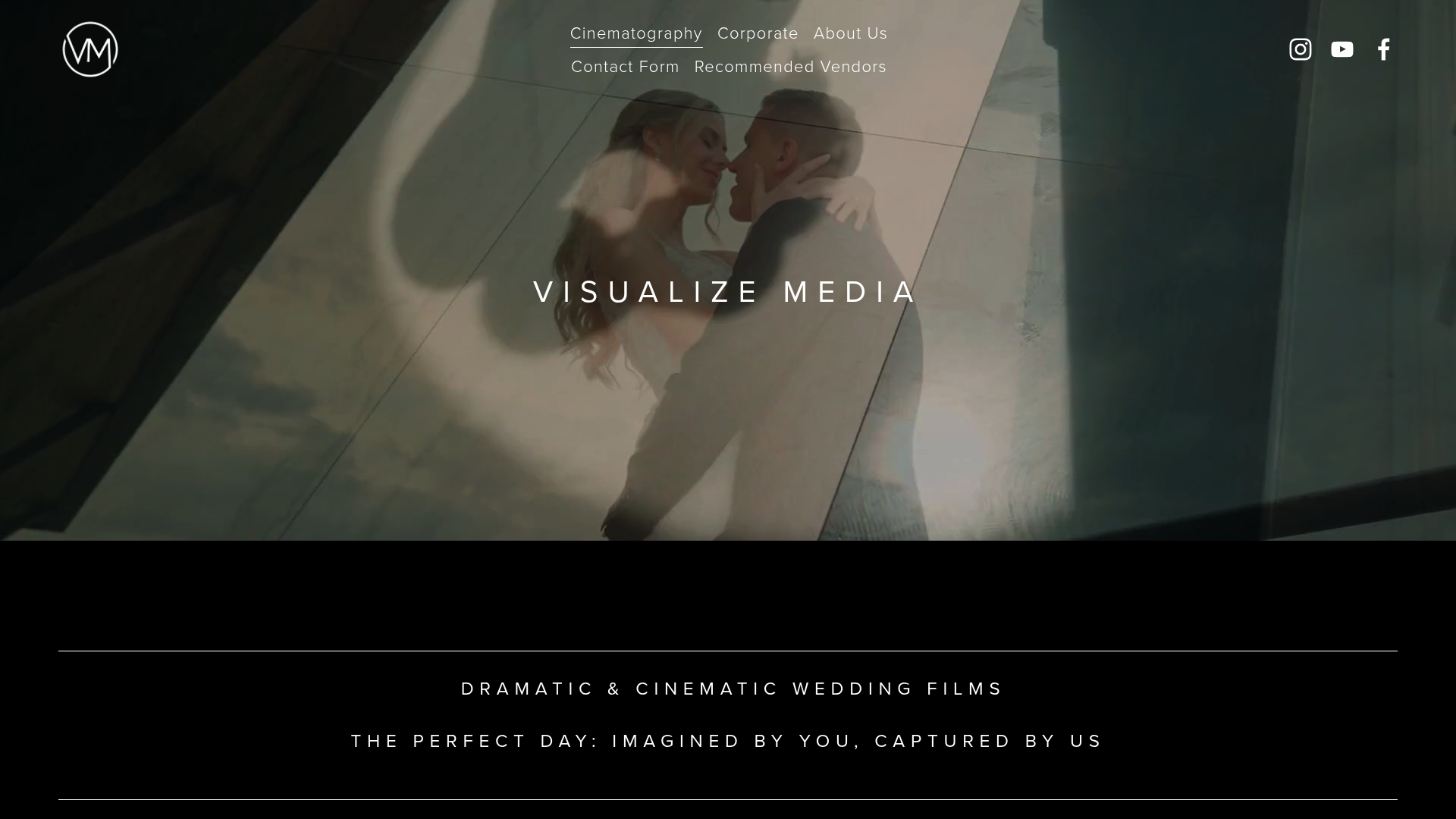
Booking starts with a portfolio review and a planning conversation where narrative anchors, format choices, and deliverables get mapped to your actual wedding, not a generic package tier. From there, you'll know exactly what coverage looks like, what Super 8 inserts (if any) will capture, and when your finished film arrives.
Ready to see it firsthand? Browse Visualize Media's wedding and event cinematography services and request availability for your date, or follow along on Instagram to see recent work before you reach out.
Sources
- Luxury Wedding Videography | What Cinematic Really Means | Luke Batchelor Productions
- Luxury Wedding Videography Guide
- What Is Cinematic Wedding Videography? High-End Storytelling Explained - Timeless Photo & Video