
Jewish wedding videography captures a ceremony built around specific, meaningful rituals, and that requires a filmmaker who already knows the choreography. Hire someone experienced with chuppah placement, ketubah signings, and the glass-breaking moment, and you get respectful, complete coverage without a single shot missed to confusion. The rest of this guide walks through ritual-by-ritual filming, what packages typically include, realistic pricing, and the questions worth asking before you book.
TL;DR:
- Experienced videographers know how to anticipate key moments like the glass break and coordinate with clergy to ensure unobtrusive coverage.
- Most packages include a highlight reel, full ceremony edit, and reception speeches, with higher prices driven by extra hours, drones, or expedited editing.
- Full-length ceremony footage and references are essential for assessing a vendor’s cultural sensitivity, camera presence, editing style, and ability to capture fast-moving rituals.
- Proper planning and clear communication with the venue, clergy, and other vendors prevent logistical conflicts that could affect coverage quality.
- The cost varies widely based on crew size, equipment, and turnaround time, so request detailed quotes and inquire specifically about experience with Jewish ceremonies.
What Makes Jewish Wedding Videography Different
A Jewish ceremony moves fast and follows a sequence most videographers only see a handful of times a year. A Jewish wedding commonly includes the chuppah, the ketubah signing, the ring exchange, breaking the glass, and often a private yichud followed by hora dancing. Each of those moments has its own visual and emotional logic, and a crew that's filmed dozens of them reads the room instead of guessing at it.
Denomination changes the plan too. Orthodox ceremonies often run longer, with more distinct blessings and sometimes separate seating or dancing for men and women, according to Orthodox-focused wedding guides. Reform and Conservative ceremonies tend to move faster and mix seating more freely. A videographer needs to know before the day starts, not while scrambling for a second angle.
Working well with clergy matters as much as camera gear. Rabbis and cantors have their own preferences about microphone placement, where camera operators can stand, and whether a drone is welcome anywhere near the sanctuary.
Here's what separates a first-timer from someone who's done this before:
- Knowing which blessings get quiet ambient audio versus a dedicated lapel feed
- Anticipating the glass break instead of reacting to it half a second late
- Understanding when modesty customs mean a female second shooter should cover certain angles
- Coordinating with the rabbi ahead of time instead of asking mid-ceremony
Experience here isn't a nice credential. It's the difference between a film that flows and one stitched together from missed beats.
How to Film Each Ritual, Step by Step
Every ritual in a Jewish ceremony has a rhythm, and each one calls for a different camera and audio setup. Here's how experienced crews typically approach the core moments:
- The chuppah. Wide establishing shots first, then a tighter angle from the side that captures both faces without blocking guest sightlines. A lapel mic on the officiant is non-negotiable, since the seven blessings and vows need to be crystal clear in the final edit.
- The ketubah signing. Usually happens before the ceremony, often in a smaller room. A single handheld camera with a shotgun mic works better here than a full multi-camera rig. Keep it intimate.
- The ring exchange. A close macro shot on the hands, paired with a second angle on the couple's faces, catches both the physical moment and the reaction.
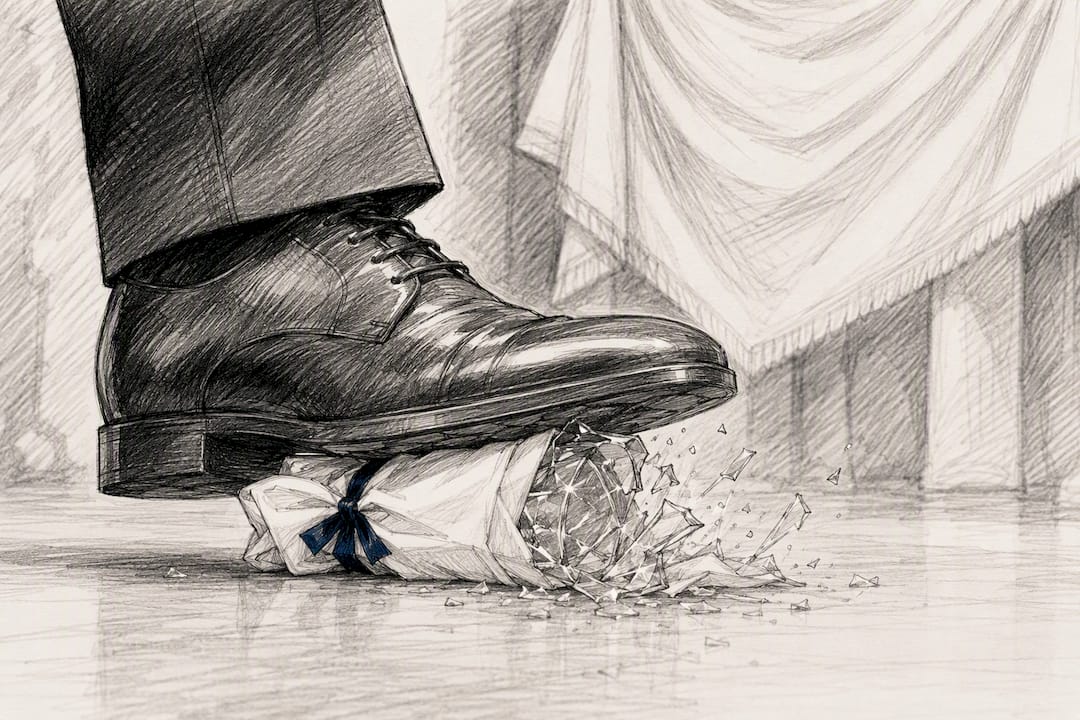
- Breaking the glass. This one happens in under two seconds, and it's the emotional hinge of the whole ceremony. Guides describing the tradition point to multiple layered meanings behind it, from tempering joy to remembering the Temple's destruction, which is exactly why the shot deserves more than a passing glance. Have a camera locked on the foot and glass, ready before the groom steps.
- Yichud. The couple's brief private time together right after the ceremony. Coverage should be minimal and consent-based, maybe a single exterior shot of the door, nothing invasive.
- The hora. Chaotic, high-energy, and full of movement. This is where a gimbal or stabilizer earns its keep, since chair lifts and circle dancing punish a static tripod.
Indoor chuppahs give you controlled lighting; outdoor ones give you better backdrops but force quick adjustments for shifting sun. Either way, the cut from ceremony stillness to reception energy should feel intentional, not jarring.
Pro Tip: Ask your videographer how they'll cue the camera operators for the glass break specifically. If they don't have a clear answer, that's worth noting before you sign anything.
What's Included in a Jewish Wedding Video Package?
Packages vary, but most professional wedding videographer offerings share a similar backbone. Knowing the standard components helps you compare quotes without getting lost in vendor-specific naming.
Typical deliverables include:
- A highlight reel, usually 4 to 8 minutes, edited for emotional pacing
- A full ceremony edit with clean audio of every blessing and vow
- Speech edits from the reception
- Short social media teasers for sharing before the full film is ready
- Sometimes raw footage access, though this often costs extra
What drives the price up: additional shooting hours, a second camera operator, aerial drone footage, expedited turnaround, and travel outside a videographer's home market. A single-shooter, six-hour package sits at the lower end of most markets, while multi-camera, full-day coverage with drone work and a rush edit sits considerably higher. Ask for an itemized breakdown rather than a flat number so you know exactly what triggers the difference.
Traditionally, the bride's family covered most wedding costs, photography and videography included, though today's couples split expenses in every configuration imaginable. What matters more than who pays is what you're paying for. Editing skill, cultural fluency with the ceremony, and clean ceremony audio matter more than a flashy sizzle reel on a vendor's homepage.
Judging a Portfolio for Cultural Sensitivity and Style
A sample film tells you more than any sales pitch. Before booking, watch full-length ceremony footage, not just highlight reels, and check for a few specific things:
- Does the audio on the officiant's blessings sound clean, or is it buried under ambient noise?
- Are camera operators visible in the frame, or does the coverage stay unobtrusive?
- Does the editing rhythm match the ceremony's actual pacing, or does it feel rushed?
- Is the color grade warm and true to skin tones, or oversaturated?
- Does the vendor show any prior Jewish wedding footage specifically, not just generic ceremony work?
An effective approach to luxury wedding films leans on multi-camera coverage, aerial footage, and full ceremony and speech edits, the same building blocks that make ritual-heavy ceremonies read clearly on screen. A film built with those tools captures the wide chuppah shot and the tight ring exchange without forcing a couple to choose between them.
If a vendor doesn't have Jewish wedding samples readily available, ask directly for references or past ceremony footage. A studio confident in its cultural fluency will have something to show, and a portfolio built around unobtrusive filming techniques is worth a closer look regardless of the ceremony type.
Timeline and Coordination on the Wedding Day
Good coverage depends on logistics as much as talent behind the camera. A few things worth locking down well before the wedding:
- Confirm arrival time with enough buffer to set up before the ketubah signing, not just the chuppah.
- Check with the synagogue or venue about microphone placement and any restrictions on camera movement during the ceremony.
- Coordinate with the photographer and DJ or band ahead of time so nobody's blocking anybody's shot during the hora.
- Ask about delivery timelines, usage rights, and whether raw footage is archived or handed over.
A quick planning call between videographer, photographer, and coordinator a week or two out prevents nearly every day-of collision.
Why We Treat Every Ceremony as Its Own Story
Cultural sensitivity isn't a checkbox for us. It's the difference between a film that captures a wedding and one that captures this wedding, with its own family, its own pacing, its own weight to the moments that matter. Every chuppah looks different depending on the family standing under it, and coverage should reflect that rather than treating every ceremony like a template.
We'd rather show you a ceremony edit than describe one, so if you're evaluating vendors, ask to see specific reference footage or sample edits from past events. It tells you more in five minutes than any pitch could.
— Anthony
How Visualizemedia Films Jewish Weddings
Visualizemedia builds every Jewish wedding film around the same core toolkit that makes ritual-heavy ceremonies read clearly on screen: multi-camera coverage for the chuppah and hora, aerial footage for wide reception shots, professional color grading, and full edits of both the ceremony and the speeches.
That combination matters specifically for ceremonies with distinct, fast-moving rituals. You get a wide establishing angle and a tight emotional close-up at the same time, so nothing gets missed while a second camera repositions. Approaching each ceremony as its own story rather than a generic template matters when a rabbi's blessing or a grandmother's tears deserve more than a passing frame.
If you're planning a Jewish wedding, start by looking at sample wedding films to see how ceremony pacing translates into a finished edit. From there, fill out the Traditional Wedding Questionnaire to share your ceremony's specific structure, or head straight to the wedding cinematography page to check availability for your date. Follow along on Instagram for more ceremony footage and behind-the-scenes clips.
Sources
For deeper background on ceremony meanings and etiquette, see the overview of Jewish wedding customs, the ceremony and tradition guide from Aish, and Orthodox-specific ceremony guidance.
FAQ
What Are the "$5 Rituals" of a Jewish Wedding?
The phrase usually refers to the five core ceremony elements: the chuppah, the ketubah signing, the ring exchange, breaking the glass, and the seven blessings, though some couples add yichud and hora dancing as extensions of the celebration.
Who Traditionally Pays for a Jewish Wedding?
Etiquette tradition places most costs, including photography and videography, on the bride's family, though modern couples frequently split expenses across both families or pay for it themselves.
Why Does a Jewish Groom Step on a Glass?
The custom carries several explanations, from tempering wedding joy with remembrance of the Temple's destruction to older Talmudic stories about keeping celebrations from becoming excessive. It also functions as the cue that signals celebration can begin.
How Much Does It Cost to Film a Jewish Wedding?
Pricing depends heavily on hours, camera count, and add-ons like drone footage, but a single-shooter package for a shorter ceremony sits at the lower end while multi-camera, full-day coverage with aerial work runs considerably higher. Ask for an itemized quote from a professional wedding videographer to compare accurately.
What Should I Ask a Videographer Before Booking?
Ask specifically about their experience filming Jewish ceremonies, how they handle audio for the officiant's blessings, whether they've filmed a glass-breaking moment before, and if they can show a full, unedited ceremony sample rather than just a highlight reel.