

The role of family in wedding ceremonies goes far deeper than seating charts and rehearsal dinners. Most couples assume they control every decision, only to discover that family members arrive with decades of tradition, expectation, and emotion already packed into their expectations. What actually happens is a negotiation between love and legacy, between what the couple wants and what the family believes a wedding should mean. This guide unpacks how family involvement shapes weddings across cultures, how to assign meaningful roles, and how to keep the whole experience from turning into a power struggle.
Table of Contents
- Key takeaways
- The role of family in wedding ceremonies across cultures
- Managing family dynamics: conflict, boundaries, and belonging
- Practical roles for family before and during the ceremony
- Integrating multicultural and blended family traditions
- My honest take on family roles and wedding harmony
- Preserving your family's moments on film
- FAQ
Key takeaways
| Point | Details |
|---|---|
| Family roles are culturally specific | Indian, Chinese, and indigenous traditions assign distinct responsibilities to each family side that persist even in modern weddings. |
| Conflict is predictable, not personal | Weddings surface deeper family dynamics around identity and belonging, so early communication prevents most disputes. |
| Practical roles reduce tension | Giving family members concrete tasks like budgeting, logistics, or readings keeps energy productive and purposeful. |
| Blended families need intentional scripting | Including children and stepparents in vows and ceremony moments creates real belonging, not just symbolic presence. |
| Capture what actually happens | Candid family moments on film tell a truer story than over-choreographed photo sessions. |
The role of family in wedding ceremonies across cultures
Family involvement in weddings is not a single, universal concept. It shifts dramatically depending on cultural background, generation, and geography. Understanding those shifts helps couples make deliberate choices rather than defaulting to assumptions.
In Indian wedding traditions, the division of responsibilities between families has always been structured. Urban Indian weddings in 2026 often split costs 50/50 or by event, with the bride's family owning ceremony rituals and the groom's family hosting the reception. That financial modernization sits alongside ritual roles that have barely changed in generations. The bride's mother still ties the ceremonial threads; the groom's family still arrives in procession.
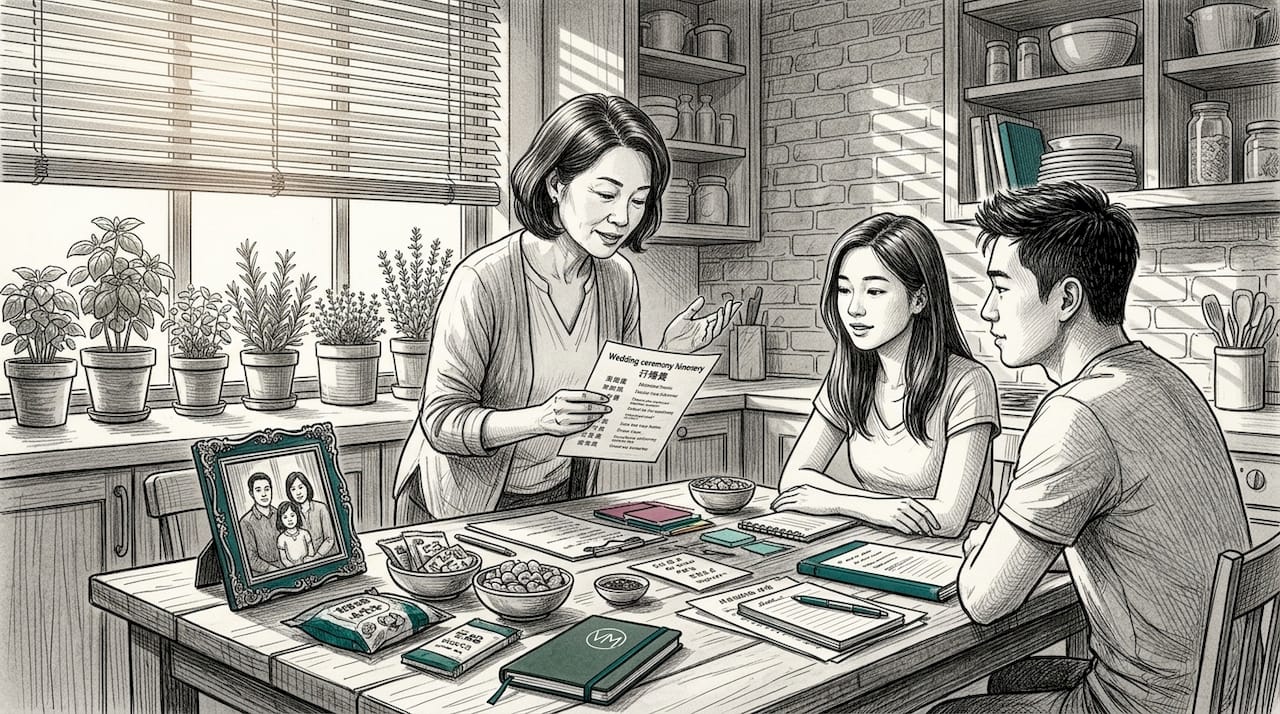
Chinese urban weddings offer a different lens. Research shows that mothers mediate between families in contemporary ceremonies, absorbing emotional labor that fathers once held through formal speeches and authority. That shift reflects a broader move away from patriarchal structures without abandoning family-centered celebration entirely.
Then there are traditions that redefine "wedding" altogether. The Dang tribal wedding tradition in Gujarat features multi-generational ceremonies where grandparents, parents, and adult children marry together after families save collectively for decades. Formal engagements are negotiated by elders, and ceremony order is strict. Family involvement there is not a role. It is the entire architecture of the event.
Pro Tip: Before assigning family roles, ask each family member directly what participation means to them. What one person sees as helpful, another experiences as control. A five-minute conversation prevents months of friction.
Here is how the bride's and groom's family responsibilities traditionally compare in structured wedding cultures:
| Responsibility | Bride's family | Groom's family |
|---|---|---|
| Ceremony rituals | Primary ownership | Participation role |
| Reception hosting | Shared or secondary | Often primary |
| Financial contributions | Venue, ceremony costs | Food, hospitality |
| Logistical coordination | Guest list management | Travel, accommodation |
Managing family dynamics: conflict, boundaries, and belonging
Weddings do not create family dysfunction. They reveal it. A wedding acts as a crucible where issues of belonging, influence, and identity surface with intensity that surprises couples who thought they had stable family relationships. The pressure of a single high-stakes event compresses years of unspoken dynamics into a few months of planning.
The most common flashpoint is the role of mothers. Research on contemporary Chinese weddings confirms what many couples already feel: mothers often serve as the emotional hub of wedding planning, mediating between the couple and older family members. That mediating role becomes problematic when it overrides the couple's decisions, effectively turning the wedding into a bonding exercise between parent and child rather than a celebration of the couple's partnership.
There are specific patterns worth watching for:
- Unspoken coordinators. Family members who take on logistics without being asked often shift the planning into a power struggle rather than a shared project. Name the roles early and explicitly.
- Identity-based conflict. Disagreements about dress codes, music, or rituals are rarely about those things. They are usually about whose culture or values get centered.
- Toxic positivity. Some family members avoid conflict by agreeing to everything and then doing what they planned all along. Written agreements matter.
"Expect emotional intensity. How miscommunications are handled during wedding planning impacts family relationships long after the wedding day ends." — Rachel Haack, LMFT
Pro Tip: Assign one trusted person from each family side as the official point of contact for logistics. This reduces the number of competing voices in every decision and gives family members a clear, respected channel for input.
Practical roles for family before and during the ceremony
The most effective family contributions are the ones with a clear scope. Vague involvement creates overlap, competition, and resentment. Specific roles create ownership and pride. Here is how to build a structure that works:
- Budget coordination. Decide early who contributes financially and to which elements. Document it. Money is the most common source of post-wedding family tension, and clarity upfront prevents it from becoming leverage later.
- Vendor communication liaison. Assign a detail-oriented family member to manage vendor confirmations, timelines, and day-of logistics. This keeps the couple free to focus on the experience.
- Ceremony participation. Readers, escorts, blessing-givers, and ritual participants all carry symbolic weight. Think carefully about who is honored with each role and communicate the meaning behind the choice to the person receiving it.
- Guest experience hosts. Designate family members as unofficial ambassadors for out-of-town guests. They handle airport pickups, hotel questions, and day-of directions so the couple does not field those calls.
- Photo and video coordination. Over-planned family photo sessions stress everyone and reduce celebration time. Assign one family member to gather people for formal shots and then step back. Candid moments, as Visualize Media has documented across dozens of weddings, almost always tell a richer story.
Balancing tradition with the couple's preferences means setting expectations before roles are assigned, not after. When a family member understands the scope and boundaries of their role from the beginning, they are far less likely to expand beyond it.
Integrating multicultural and blended family traditions
Multicultural weddings require a planning approach that treats traditions as scheduling constraints, not just aesthetic choices. Multi-day events are increasingly common, and each tradition needs a designated family contact who owns its coordination. Without that structure, last-minute conflicts between overlapping rituals are nearly inevitable.
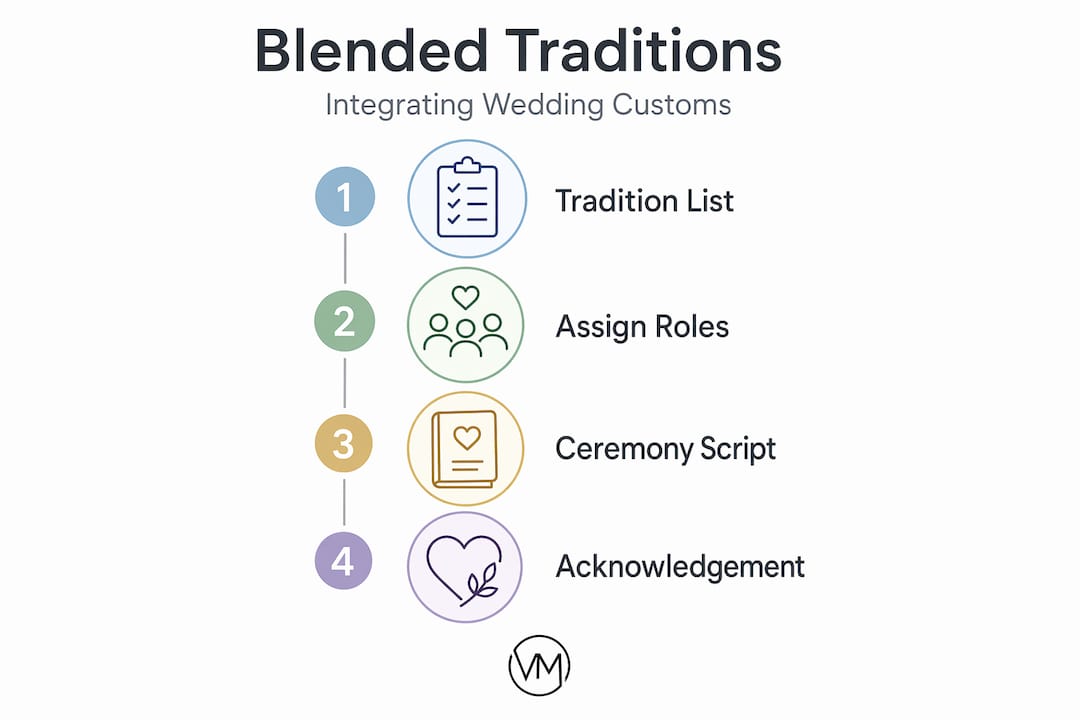
For blended family ceremonies, the priority shifts from representing two families to creating a new one. Intentional ceremony scripting that includes children in vows and gives stepparents visible, named roles does something structural photos cannot. It tells the children present: you belong here. This is your family too.
Key considerations for multicultural and blended family weddings include:
- Scheduling separate ritual blocks with specific start times and responsible family contacts for each
- Agreeing on dress code expectations across both families well in advance, not the week before
- Reviewing meaningful wedding traditions from both cultural backgrounds together as a couple before finalizing any ceremony elements
- Working with planners who have direct experience with the specific cultural combination involved
Pro Tip: Have the officiant reference both family names and cultural backgrounds explicitly during the ceremony. It costs nothing and signals deep respect to every family member present.
My honest take on family roles and wedding harmony
I have watched families at hundreds of weddings, and the pattern is consistent. The weddings that feel genuinely joyful are the ones where the couple made deliberate decisions about family involvement instead of letting it happen by default.
The mistake I see most often is couples confusing love with authority. They let family members take over planning decisions because saying no feels ungrateful. But a wedding planned by committee is rarely a wedding that feels like the couple. It feels like a production designed to satisfy everyone except the two people at its center.
The families who contribute most meaningfully are the ones given a specific task and trusted to own it. They feel honored. They feel useful. They do not need to expand their role because their role already has weight.
My actual advice: before you assign any role, ask yourself whether that person's involvement will add to the day or manage the day. Contribution and control look identical from the outside. The couple has to be the ones to tell the difference.
— Anthony
Preserving your family's moments on film

Every family dynamic described in this article, the tearful mother, the proud grandparent, the blended family exchanging vows, plays out in real time during your ceremony. Those moments exist for seconds. A cinematic wedding film captures them permanently.
Visualize Media specializes in wedding cinematography and photography across New York and New Jersey, with the flexibility to document diverse cultural ceremonies authentically. From multi-generational Indian rituals to blended family vow exchanges, the team films with the storytelling instincts that transform raw footage into something you will actually watch again. Follow along on Instagram to see real examples of family moments caught on film. When you are ready to talk through your specific ceremony, the traditional wedding questionnaire is the best place to start.
FAQ
What is the traditional role of family in wedding ceremonies?
Family traditionally provides financial support, participates in cultural rituals, and takes on logistical responsibilities. The specific division between bride's and groom's families varies significantly by culture and region.
How do family dynamics affect wedding planning?
Weddings surface existing family patterns around identity, influence, and belonging, which can intensify conflict during planning. Setting clear role boundaries early and communicating expectations directly reduces tension significantly.
How can blended families be included in wedding ceremonies?
Ceremony scripting that includes children in vow language and gives stepparents named roles creates genuine belonging rather than symbolic acknowledgment. Working with an experienced officiant makes this process much smoother.
How do multicultural families coordinate wedding traditions?
Multicultural weddings work best when each tradition is assigned a dedicated time block and a family contact responsible for its coordination. Early agreement on dress codes, ritual order, and ceremony timing prevents day-of conflicts.
Should family members be involved in wedding photography and video planning?
Yes, but with clear boundaries. Designating one family member to coordinate formal photo groupings prevents over-scheduling, and giving your videographer context about key family relationships helps them capture the candid moments that matter most.