
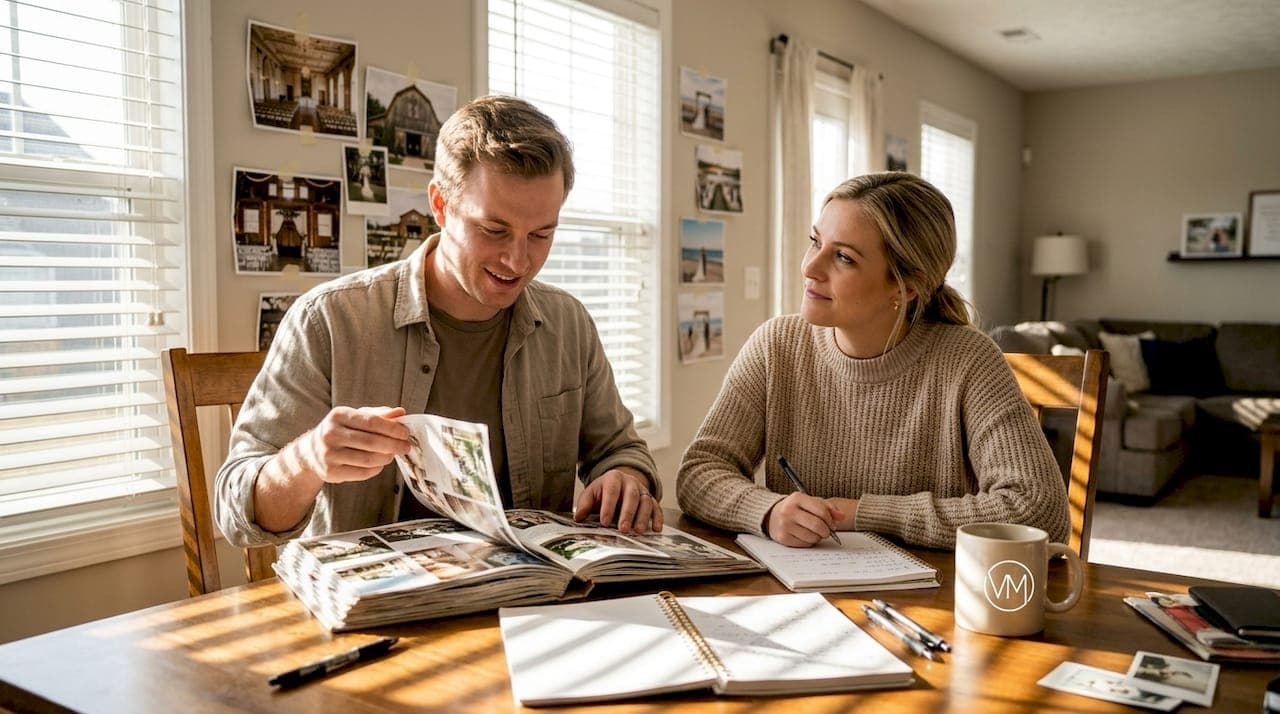
Choosing a wedding venue is one of the biggest decisions you'll make as a couple, and with so many options available, it's easy to feel paralyzed before you've even started. Ballrooms, barns, beaches, museums — each setting creates a completely different experience for you and your guests. The good news is that a simple framework can cut through the noise fast. Once you understand what each venue type offers and where it falls short, you can match your priorities to the right setting and move forward with confidence.
Table of Contents
- How to evaluate wedding venue options
- Classic indoor venues: Ballrooms, hotels, and banquet halls
- Outdoor and rustic venues: Barns, farms, and gardens
- Unique and modern venues: Museums, rooftops, and non-traditional spaces
- Destination and religious venues: Resorts, beaches, churches, and more
- Our take: Smart venue selection for unforgettable celebrations
- Make your venue shine with the right creative team
- Frequently asked questions
Key Takeaways
| Point | Details |
|---|---|
| Choose based on priorities | Focus on guest count, must-haves, and budget before venue style. |
| Classic venues are reliable | Ballrooms and hotels offer ease and predictability for formal events. |
| Rustic and outdoor venues need extra planning | Barns, farms, and gardens provide charm but require weather backups and logistics. |
| Unique venues create memorable experiences | Museums, rooftops, and industrial spaces stand out but may have more restrictions. |
How to evaluate wedding venue options
With the goal of narrowing your search, here's how to approach the evaluation process. The first step is getting clear on your hard constraints: guest count, total budget, and your preferred event timing. These three factors alone will eliminate a large portion of venues immediately.
Next, identify your non-negotiables. These are the things you simply won't compromise on:
- Aesthetic: Does the space match your vision without heavy decoration?
- Catering: Does the venue allow outside caterers, or is it in-house only?
- Flexibility: Can you bring your own vendors, or is it all-inclusive?
- Accessibility: Is the venue easy for elderly guests or those with mobility needs?
- Parking: Is there enough on-site, or will you need shuttle service?
Once you've built your list, tour each space with a scorecard. The venue selection guide recommends scoring venues on fees, bathroom count, load-in logistics, and lighting quality. This turns an emotional decision into a structured one.
Pro Tip: Ask each venue for a sample invoice before you fall in love with the space. Hidden fees for cake cutting, security staff, and overtime can add thousands to your final bill. You can also use our wedding planning questionnaire to organize your priorities before you start touring.
Classic indoor venues: Ballrooms, hotels, and banquet halls
Once you've outlined your must-haves, let's explore each type of venue starting with classic indoor options. Ballrooms, hotels, and banquet halls remain the most popular choice for a reason. They offer climate control, built-in catering, and a level of guest comfort that's hard to beat.
Here's what makes them stand out:
- Weather-proof: No rain plan needed.
- Accessibility: Elevators, ramps, and ample restrooms are standard.
- All-in-one packages: Catering, tables, linens, and AV equipment are often included.
- Large capacity: Ideal for guest lists over 150.
The tradeoff is personalization. These spaces are designed to host hundreds of events per year, which means they can feel generic. You're working within a pre-set aesthetic rather than building one from scratch.
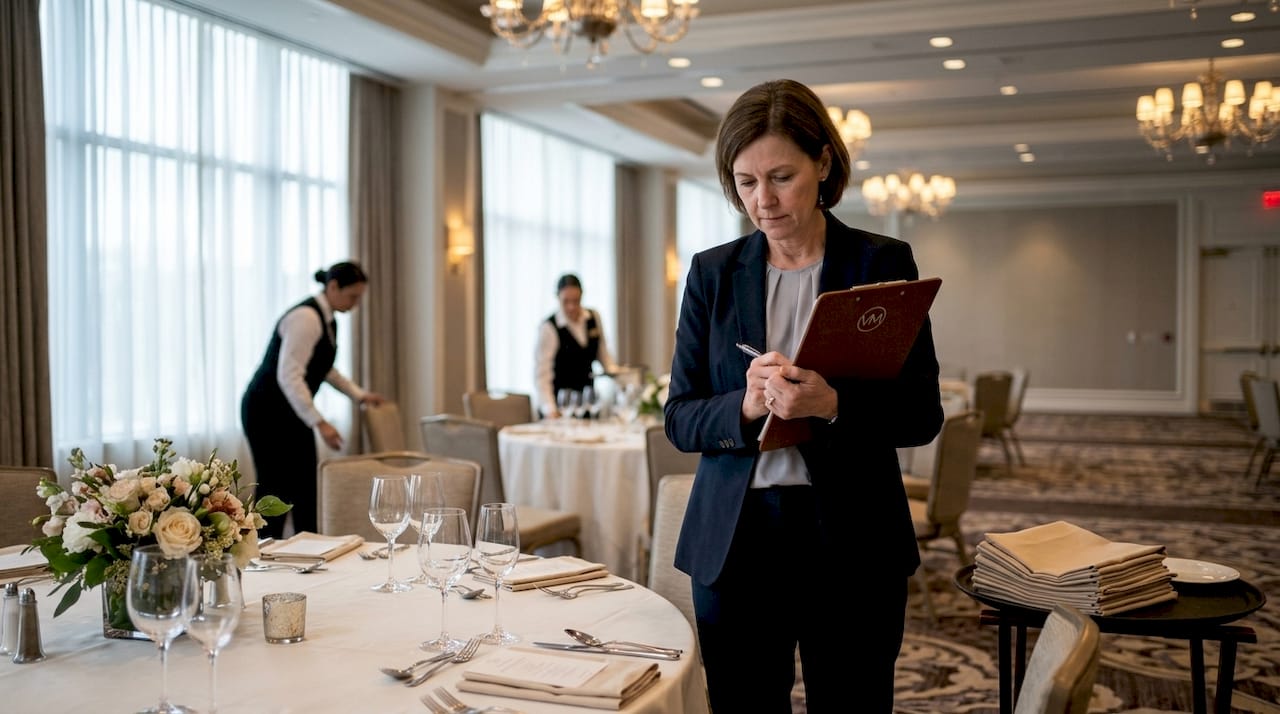
On the cost side, ballrooms and hotels typically run $170 to $350 per person, with site fees between $2,000 and $10,000 in major markets. For couples hosting formal wedding venues with 200-plus guests, the predictability of these costs is often worth it. The wedding venue market continues to show strong demand for traditional indoor spaces, particularly for large formal events.
Outdoor and rustic venues: Barns, farms, and gardens
If natural and rustic settings appeal to you, consider these outdoor oriented venues. Barns and farms have surged in popularity over the past decade, and it's easy to see why. The scenery does most of the decorating for you.
Barns and farms offer wide open spaces, flexible layouts, and a warmth that formal venues rarely match. The challenges are real though. Weather is unpredictable, vendor load-in can be complex, and you may need to rent everything from restrooms to generators.
Gardens and estates take things up a notch aesthetically. The indoor/outdoor flow creates stunning photo opportunities, and the natural light is a filmmaker's dream. That said, gardens and estates often require tenting that costs between $8,000 and $25,000, and site fees alone can reach $5,000 to $20,000. Check out some of our garden wedding inspiration to see how beautifully these spaces can translate on film.
DIY outdoor and backyard weddings average $12,900 in venue spend, making them one of the most budget-friendly paths available.
If you're drawn to this category, research the DIY wedding cities that offer the most favorable conditions for outdoor celebrations.
Pro Tip: Always ask your venue about their rain backup plan and whether they have access to a reliable power source. A generator failure during your first dance is not a story you want to tell.
Unique and modern venues: Museums, rooftops, and non-traditional spaces
Looking for a space that stands out? Modern and unique venues are an exciting option. Museums, cultural centers, industrial lofts, and rooftop terraces offer a visual drama that traditional venues simply can't replicate.
Pros of unique venues:
- Distinctive backdrops that require minimal decoration
- Memorable guest experience
- Strong visual identity for photos and film
- Often located in vibrant urban areas
Cons of unique venues:
- Stricter decor and noise restrictions
- Limited event windows (especially museums open to the public)
- Catering may be restricted to approved vendors
- Less flexibility for layout changes
Unique venues like museums and rooftops work best for couples with a modern or edgy aesthetic who are willing to work within some boundaries. Browse our portfolio of unique wedding venues to see how these spaces come alive on camera. If you're considering something unconventional, contact our wedding event team for venue-specific recommendations.
| Feature | Traditional venues | Unique venues |
|---|---|---|
| Capacity | 50 to 500+ | 50 to 300 |
| Flexibility | Moderate | Low to moderate |
| Decor restrictions | Few | Often strict |
| Visual impact | Standard | High |
| Catering control | Usually open | Often restricted |
Destination and religious venues: Resorts, beaches, churches, and more
For couples envisioning a meaningful or travel-focused experience, here are other top venue types. Resorts and beach venues create a vacation atmosphere that doubles as a wedding. Guests who make the trip often stay for several days, turning the celebration into a full experience.
Churches and houses of worship carry deep personal and cultural meaning. They tend to have specific ceremony requirements, restrictions on music or decor, and may require pre-marital counseling through the institution.
Pros:
- Resorts handle guest accommodations and catering in one place
- Beaches offer natural beauty at a lower site fee
- Religious venues carry tradition and emotional significance
Cons:
- Destination venues require travel planning for guests
- Religious venues may limit ceremony structure
- Permit requirements for beach weddings vary by location
The wedding venue market spans indoor, outdoor, unique, destination, and religious categories, each serving a distinct couple profile. Learn more about our wedding experience filming across all of these settings.
| Venue type | Avg. capacity | Relative cost | Travel factor |
|---|---|---|---|
| Beach/waterfront | 50 to 200 | Moderate | High |
| Resort | 100 to 400 | High | High |
| Church/worship | 100 to 500 | Low to moderate | Low |
| Destination resort | 50 to 250 | Very high | Very high |
Our take: Smart venue selection for unforgettable celebrations
Now that you know the main venue types, here's our perspective on prioritizing what matters most. After filming weddings in ballrooms, barns, rooftops, and remote beaches, one truth keeps surfacing: the most memorable celebrations aren't always at the most expensive or visually dramatic venues.
Guest comfort, clear logistics, and the freedom to personalize matter far more than the wow factor in the brochure. We've seen stunning entertainment-ready venues fall flat because guests couldn't hear the vows or find the restrooms. We've also seen simple barn weddings become legendary because everything ran smoothly and the couple was fully present.
Choose a venue where you can actually enjoy your day, not just photograph it. A little flexibility in your venue choice often creates far more room for the moments that matter.
Make your venue shine with the right creative team
Ready to bring your dream venue to life? The right creative team can make all the difference. No matter which venue type you choose, a filmmaker who knows how to work with natural light, tricky acoustics, and unpredictable layouts will capture your day in a way that feels true to you.

At Visualize Media, we've filmed weddings in every setting imaginable, and we bring that experience to every project. Explore our wedding event team services to see how we work across venue types. Ready to get started? Fill out our custom wedding questionnaire and let's find the right approach for your celebration.
Frequently asked questions
What is the most affordable type of wedding venue?
DIY outdoor weddings are typically the most budget-friendly option, with average venue spend around $12,900. At-home or backyard settings can lower costs even further depending on your location.
How many different types of wedding venues are there?
There are more than a dozen recognized types, including ballrooms, barns, gardens, beaches, vineyards, museums, rooftops, and houses of worship. Each serves a different aesthetic and logistical need.
Should I book an all-inclusive or a blank canvas wedding venue?
All-inclusive venues reduce planning stress but limit how much you can personalize the space. Blank canvas venues give you full creative control but require more vendor coordination.
Are there risks with outdoor wedding venues?
Yes. Outdoor venues are subject to weather changes, may require tenting and power sources, and need a clear backup plan. Always confirm contingency options before signing a contract.
How can I find a venue that fits my guest count?
Start by finalizing your guest list, then filter venues by their minimum and maximum capacity. The venue selection process works best when guest count is your very first filter.