
The difference between videography styles is how each approach tells your wedding story through distinct shooting methods, editing choices, and emotional tone. Cinematic, documentary, storytelling, vintage, fine art, and traditional styles each produce a completely different film. Choosing the wrong one means watching footage that never quite feels like you. This guide breaks down every major style, explains what sets them apart, and helps you decide which approach fits your wedding vision.
What are the main differences between videography styles?
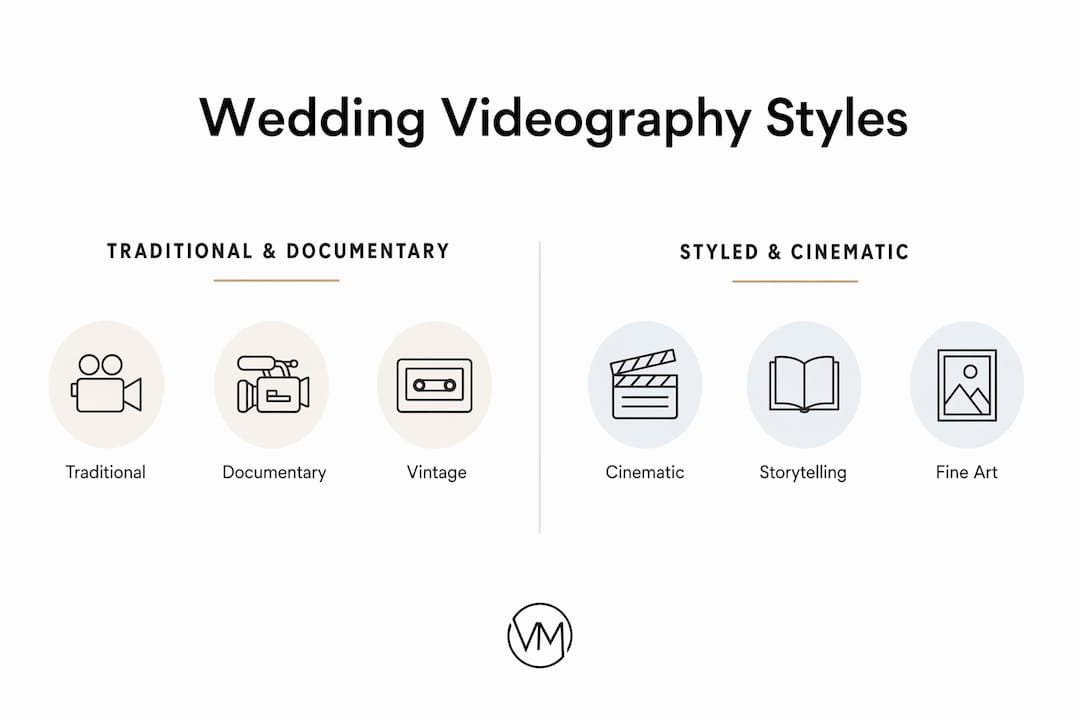
Videography style is the filmmaker's complete creative approach, covering how they shoot, how they edit, and how the final film feels. The six styles most common in wedding and event coverage are cinematic, documentary, storytelling, vintage, fine art/editorial, and traditional. Each one produces a film with a different length, mood, and purpose.
Cinematic is the most requested style right now. These films run 4–20 minutes and use color grading, slow motion, and music-driven pacing to create something that feels like a movie trailer. Post-production alone takes 8–16 weeks. The tradeoff is that cinematic filming often requires direction, meaning your videographer may guide you to specific spots for artistic shots. That direction can interrupt natural moments if not handled carefully.
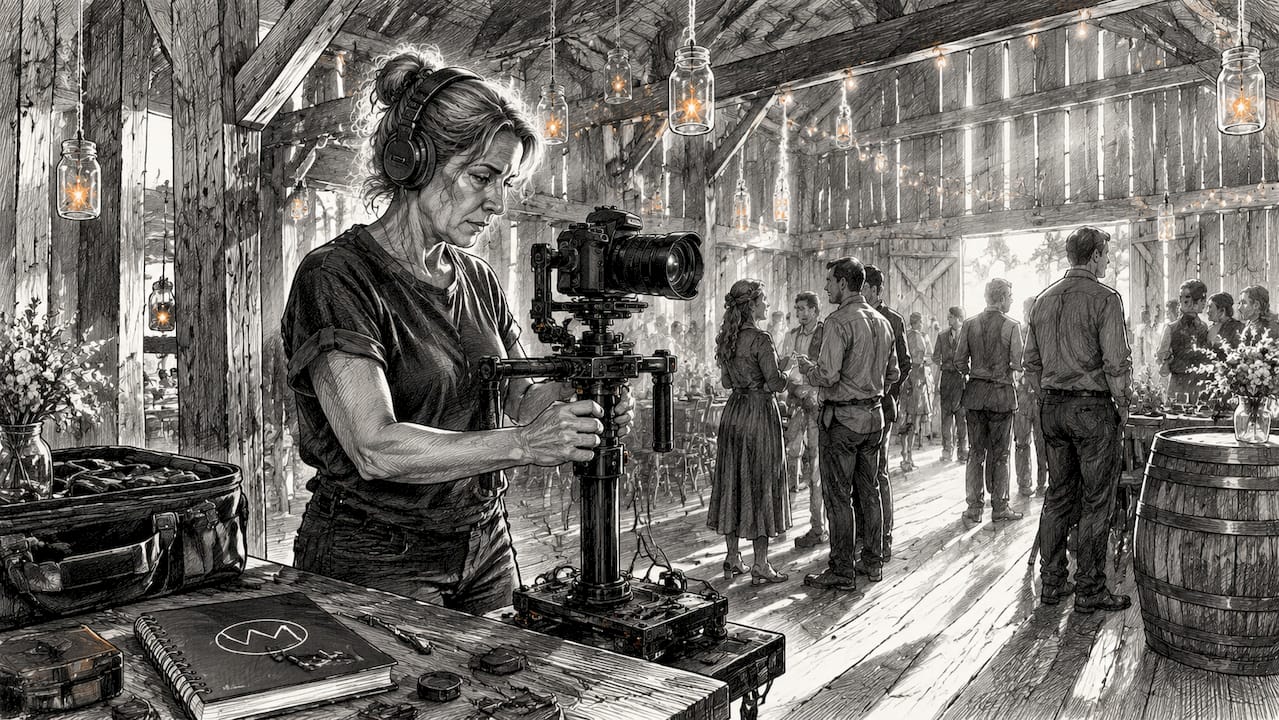
Documentary sits at the opposite end. These films run 40–120 minutes, follow the day chronologically, and include full speeches, vows, and ceremony audio with minimal editing interference. You get a complete record, not a highlight reel. This style suits couples who want to relive every word their grandmother said in her toast.
Storytelling style uses audio as its backbone. Private vows, letters read aloud, or a meaningful speech drive the edit. Visuals support the words rather than the other way around. The result feels deeply personal and often moves viewers more than a music-driven film.
Vintage style uses actual Super 8 motion picture film to create a warm, grainy, nostalgic look that no digital filter can fully replicate. The softer color profile and slightly imperfect grain give the footage a genuine time-capsule quality. This is not a preset applied in post-production. It is a physical film format shot on the day.
Fine art/editorial style treats your wedding like a high-end fashion film. Composition, soft lighting, and deliberate framing take priority. The result looks closer to a luxury magazine spread than a traditional wedding film.
Traditional style is straightforward coverage. Chronological, minimal effects, and focused on documentation. It is the most accessible style and the easiest to watch with family members of all ages.
Pro Tip: Ask every videographer you interview to show you a full ceremony edit, not just a highlight reel. Full edits reveal whether they can capture continuous audio cleanly and handle long-form filming professionally.
How do videographers blend styles into a hybrid approach?
Hybrid wedding videography combines candid, unobtrusive shooting with cinematic post-production. The videographer observes and captures moments as they happen, then applies color grading, music, and pacing in the edit to create an emotionally resonant film. You get comprehensive coverage and a beautiful highlight film from the same team.
Hybrid is the right choice when you want both. You want your grandmother's full speech on record, and you also want a 6-minute film you can share on Instagram. A hybrid package delivers both without forcing you to choose. Most couples who feel torn between documentary and cinematic end up happiest with this approach.
The key detail most couples miss is that videography style reflects the filmmaker's creative DNA more than their camera gear. Two videographers can own identical equipment and produce completely different films. Watch how a filmmaker interacts with couples in their behind-the-scenes content. That interaction style tells you more about the final film than any gear list.
Pro Tip: When reviewing a hybrid videographer's portfolio, watch the full ceremony edit alongside the highlight film. If both feel polished and emotionally consistent, the team can genuinely deliver on both promises.
What factors should couples consider when choosing a videography style?
Start with how you want the film to feel, not how you want it to look. Industry professionals focus on emotional resonance and the filmmaker's interaction style as the primary selection criteria. Technical labels come second.
Work through these four questions before contacting any videographer:
- Do you want a movie or an archive? Cinematic and storytelling styles create emotional films you will watch repeatedly. Documentary and traditional styles create complete records you will reference for specific moments.
- Are you comfortable being directed? Cinematic filming requires some posing and guidance. Documentary and candid styles let you forget the camera is there.
- How will you share the film? Short cinematic films work well on social media. Full documentary edits are better suited to family viewing at home.
- What will this film feel like in 20 years? Timeless, minimal styles are gaining favor in 2026 because they avoid feeling dated. Heavy trend-driven editing can make a film look tied to a specific year very quickly.
Reviewing full wedding films, not just highlight reels, is the single most important step in this process. A 3-minute highlight can hide weak audio, shaky long-form footage, or poor pacing in the ceremony edit. For more guidance on matching style to your specific event, the wedding videography styles guide for New York and New Jersey couples covers regional preferences in detail.
Pro Tip: Check a videographer's Instagram and real-time social content alongside their portfolio. Unedited behind-the-scenes clips show you their actual shooting style and how they interact with couples under pressure.
How do technology and storytelling techniques shape each style?
The tools a videographer uses directly determine which styles are available to you. Super 8 film cameras, drones, sliders, and color grading software each produce effects that define specific styles.
- Super 8 cameras shoot on physical film stock, producing the warm grain and soft color profile that defines vintage style. Digital filters approximate this look but never fully match it.
- Drones and aerial footage add scale and context to cinematic films. A wide aerial shot of your venue grounds the film in place and time in a way no ground-level shot can.
- Sliders and gimbal stabilizers create the smooth, gliding camera movement that separates cinematic style from handheld documentary work.
- Color grading in post-production shapes the entire emotional tone of a film. Warm tones feel intimate. Cool, desaturated tones feel editorial. The grade is where cinematic style is largely built.
- Audio design and music pacing define storytelling style. The right song selection can make a 5-minute film feel like a complete emotional arc. For event planning, pairing music selection with your videography style creates a more unified final product.
The balance between direction and observation shapes the final feel more than any single piece of equipment. Too much direction interrupts natural moments. Too little reduces the cinematic effect. The best filmmakers know exactly when to guide and when to step back.
Key Takeaways
Choosing the right videography style means matching your emotional priorities to a filmmaker's creative approach, not just picking a visual trend.
| Point | Details |
|---|---|
| Style defines the film's feel | Cinematic, documentary, vintage, and storytelling styles each produce a different emotional experience. |
| Film length varies widely | Cinematic films run 4–20 minutes; documentary films run 40–120 minutes. |
| Hybrid suits most couples | Combining candid shooting with cinematic editing delivers both a complete record and a highlight film. |
| Watch full edits before booking | Highlight reels can hide weak audio and poor long-form filming; full ceremony edits reveal true skill. |
| Timeless styles age best | Minimal, quiet luxury editing avoids feeling dated and holds up better over decades. |
Why style labels matter less than you think
Couples spend a lot of time debating cinematic versus documentary, and I understand why. The labels feel like clear categories. But after working with hundreds of couples in New York and New Jersey, I have found that the label rarely predicts how much someone loves their final film.
What actually determines that is the filmmaker's instinct for your specific day. A videographer who reads a room, knows when to stay invisible, and knows when to step in and create a moment will outperform a technically skilled filmmaker who applies a style formula regardless of what is happening in front of them.
My honest advice: stop watching highlight reels and start watching full ceremony edits. Watch how the videographer handles a long speech that goes off-script. Watch how they capture a quiet moment between the couple when no one is directing them. That is where you see the real difference.
Vintage Super 8 footage is having a genuine moment right now, and I think it deserves it. There is something about physical film grain that no preset replicates. If the aesthetic speaks to you, it is worth the investment. Just make sure your videographer has actually shot on Super 8 before and is not selling you a digital filter.
Follow Visualizemedia on Instagram to see real behind-the-scenes footage and finished films across multiple styles.
— Anthony
How Visualizemedia captures your story in any style
Visualizemedia specializes in luxury wedding cinematography across New York and New Jersey, offering cinematic, documentary, and hybrid packages tailored to each couple's vision. Every package includes multi-camera coverage, aerial footage, color grading, and full ceremony and speech edits.
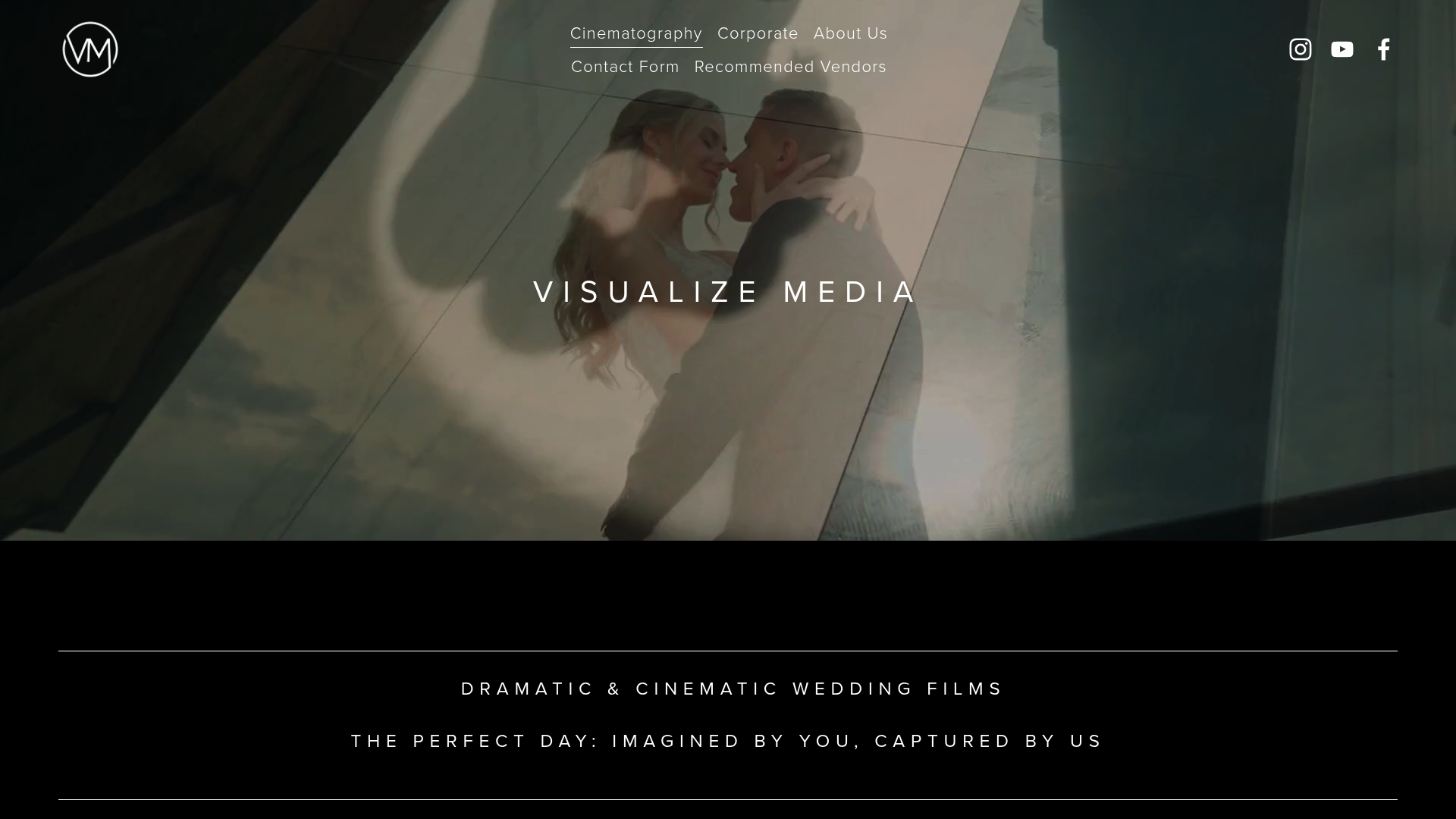
Whether you want a 5-minute cinematic film that plays like a short movie or a full documentary edit your family can watch together, Visualizemedia builds the package around what matters to you. The team also offers Super 8 film add-ons for couples drawn to the vintage aesthetic. Explore the full range of wedding film packages or reach out directly to discuss which style fits your day.
FAQ
What is the main difference between cinematic and documentary wedding videography?
Cinematic films run 4–20 minutes and use heavy editing, color grading, and music to create an emotional highlight. Documentary films run 40–120 minutes and capture the full day chronologically with minimal editing.
What is a hybrid videography style?
Hybrid videography combines candid, unobtrusive shooting with cinematic post-production editing. It delivers both a complete record and a polished highlight film from the same coverage.
What is a videography style statement?
A videography style statement describes a filmmaker's overall creative approach, including how they shoot, edit, and tell a story. It communicates the emotional tone and visual language of their work.
Is Super 8 film worth it for a wedding?
Super 8 produces a warm, grainy, nostalgic look that digital filters cannot fully replicate. It is worth the investment if the vintage aesthetic matches your wedding vision and your videographer has genuine experience shooting on film.
How do I choose a videography style for my wedding?
Decide first whether you want an emotional highlight film or a complete archival record. Then assess your comfort with being directed on camera and review full ceremony edits, not just highlight reels, before booking. The videographer selection guide from Visualizemedia walks through each step in detail.