
The wedding video industry has grown remarkably fast. The global market hit USD 6,586 million in 2024 and is expected to nearly double by 2032, reaching USD 10,490 million. That kind of growth reflects something bigger than technology upgrades. Couples today want more than a record of the day. They want a film that feels like them. This guide will walk you through how wedding videography has evolved, what trends matter right now, and how to choose an approach that tells your story in a way you will love for decades.
Table of Contents
- How wedding videography styles have evolved
- Major trends shaping wedding films today
- Choosing the right style for your wedding
- Enhancing your wedding film: Tips and innovations
- A fresh perspective: Why timeless storytelling beats fleeting trends
- Ready to create your own cinematic wedding film?
- Frequently asked questions
Key Takeaways
| Point | Details |
|---|---|
| Wedding films now tell stories | Modern videography moves beyond simply recording events to emotionally engaging storytelling. |
| Technology enables creative options | Advances like high-res cameras and drones mean couples can personalize their films more than ever. |
| Trends should be chosen carefully | Chasing trends can date your film; timeless elements create lasting memories. |
| Choosing style impacts experience | Selecting the right approach shapes not just what you remember, but how you feel about your wedding. |
How wedding videography styles have evolved
Not long ago, wedding videos meant a single camera, a tripod in the back of the room, and footage edited in strict chronological order. You got the ceremony, the speeches, the first dance. Exactly as they happened. These traditional videos served as records, but rarely as art.
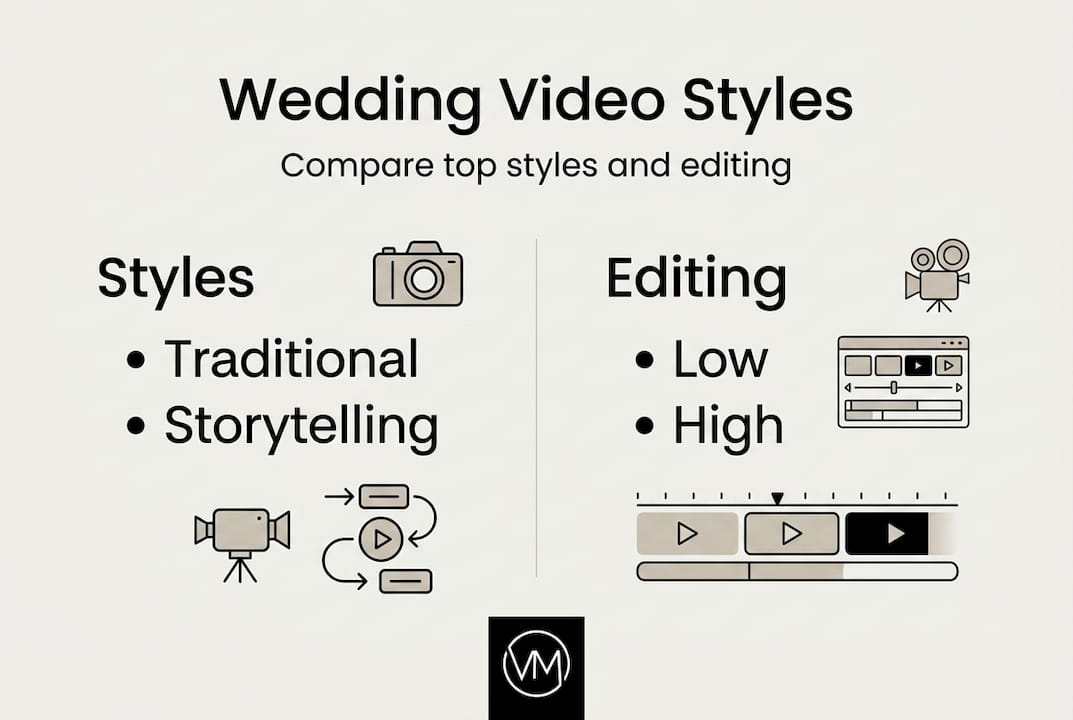
Everything changed as methodologies evolved from traditional to storytelling, cinematic, documentary, and hybrid approaches. Here is what each style actually means:
- Traditional/chronological: Staged shots, minimal editing, events captured in order
- Storytelling: Non-linear structure, personal narration, B-roll footage, couple testimonials woven throughout
- Cinematic: Dramatic angles, movie-style color grading, sweeping music, polished cuts
- Documentary: Candid real-time moments, natural audio, minimal interference from the videographer
- Hybrid: A custom blend of the above, tailored to each couple's personality and priorities
The hybrid approach has become especially popular because no two couples are alike. Some want the drama of a cinematic edit but also crave those raw, unscripted moments that only documentary coverage captures.
| Style | Best for | Editing intensity |
|---|---|---|
| Traditional | Classic couples, formal venues | Low |
| Storytelling | Sentimental couples | Medium |
| Cinematic | Visual impact, larger weddings | High |
| Documentary | Authenticity seekers | Low to medium |
| Hybrid | Most couples wanting balance | Medium to high |
Exploring different cinematography styles before booking your videographer is one of the smartest first steps you can take.
Pro Tip: Ask potential videographers to show you a full-length film, not just a highlight reel. A highlight reel is always polished. The full film reveals how they handle quieter, unscripted moments.
Major trends shaping wedding films today
Now that styles are clear, it is important to understand how industry trends impact what is possible and popular in 2026.
The biggest shift in recent years has been emotional over everything. As the evolution of wedding videography shows, tech democratization and social media influence pushed the craft from simple archival footage toward genuine emotional art, with 2026 prioritizing "humanity over perfection" through what many call "lo-fi luxe."
"The best wedding films today feel less like productions and more like memories. Imperfection is not a flaw. It is often what makes a moment feel real."
Here are the top trends shaping recent wedding film trends right now:
- Humanity over perfection: Couples are leaning into candid, raw moments rather than overly staged sequences. Soft grain, natural light, and unscripted laughter are celebrated, not edited out.
- Social media edits: Short-form highlight films built for Instagram Reels or TikTok are now a standard add-on, giving couples shareable content alongside their full film.
- Drone and high-resolution footage: Aerial shots once required massive budgets. Today, drones are standard equipment, adding sweeping perspectives that genuinely elevate the final product.
- Personalized music licensing: Couples choose songs that actually mean something to them rather than generic royalty-free tracks, making films feel deeply personal.
One important caution: trend-chasing can backfire. Heavily filtered edits or ultra-stylized color grades that feel fresh today can feel dated surprisingly fast. The couples who report the most long-term satisfaction with their films chose a style rooted in emotion rather than aesthetic alone.
Choosing the right style for your wedding
Understanding trends, you can now make choices that fit your vision and budget.
Three factors shape your decision more than anything else: your venue, your values, and your budget. A grand ballroom lends itself to cinematic coverage. An intimate backyard ceremony might feel most alive through documentary footage. If you are deeply sentimental, a storytelling approach with pre-wedding interviews can add extraordinary depth.
Budget is also a real factor. Solo videographers hold 45% of the market, with the average US videographer earning around $62,000 per year while shooting 15 to 20 events. The raw footage to final edit ratio typically runs 20:1, meaning hours of careful work go into every finished film.
| Factor | Solo videographer | Two-person team |
|---|---|---|
| Cost | Lower | Higher |
| Camera angles | Limited | Expanded |
| Candid coverage | Moderate | Strong |
| Best for | Intimate weddings | Larger events |
- Prioritize story: If emotion matters most, choose a videographer whose past work moves you, regardless of style label
- Consider longevity: Will this editing style feel just as meaningful in 15 years?
- Match your venue scale: Large venues need multi-camera coverage to avoid missing key moments
- Review full films: Always watch a complete wedding film before signing a contract
Taking a wedding style questionnaire can help you articulate your preferences before even speaking to a videographer.
Enhancing your wedding film: Tips and innovations
Once you have chosen a style, focus on maximizing emotional impact and film quality.
Some of the most powerful enhancements cost very little. A short pre-wedding interview, filmed a few days before the ceremony, gives your videographer raw material to weave into the final film. Your own words, describing how you met or what this day means, become the emotional backbone of the story.
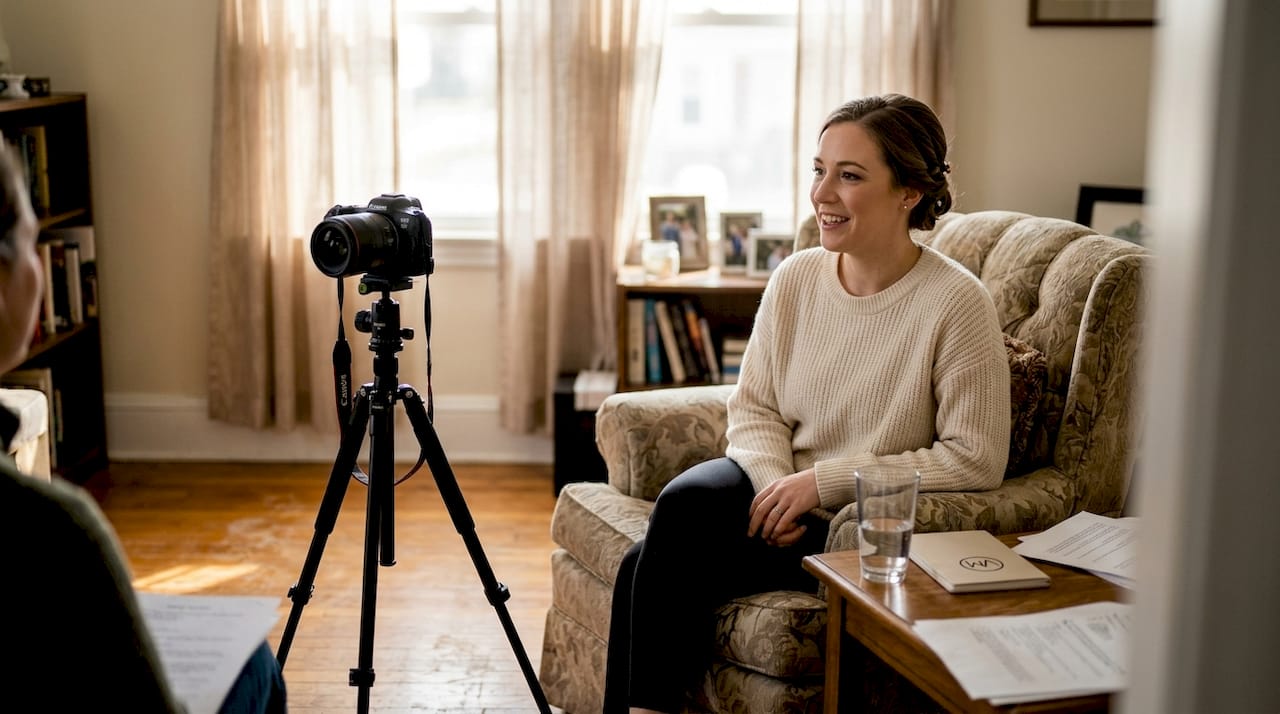
Given that a 20:1 footage ratio is standard, communicating your priorities clearly before the wedding makes a real difference in how editors spend their time. Tell them which moments matter most.
Pro Tip: Share a playlist of songs that feel meaningful to you. Even if licensing prevents using every track, this gives your videographer a strong emotional roadmap for pacing and mood.
Here are actionable ways to elevate your film:
- Request drone coverage for outdoor ceremonies or scenic venues to add scale and context
- Prioritize natural audio by asking your videographer to use a lapel microphone during vows
- Schedule a golden hour session for five to ten minutes of portrait footage in the best available light
- Discuss pacing with your editor so the film breathes, with quiet moments balanced against big ones
- Explore editing innovations like split-screen storytelling or layered audio design that blend modernity with timelessness
Avoiding trend-heavy choices in favor of clean, emotion-first edits almost always produces a film that feels just as powerful on your tenth anniversary as it did the week of your wedding.
A fresh perspective: Why timeless storytelling beats fleeting trends
Here is something most videography guides will not tell you: the couples who are most satisfied with their films years later are rarely the ones who chased the hottest editing style of the season.
I have seen beautifully produced films that felt oddly cold and dated within five years because they prioritized aesthetic trend over emotional truth. Experts agree, warning that trend-chasing ages poorly and that timeless hybrid approaches consistently outlast their flashier counterparts.
What I tell every couple I work with is this: give your videographer permission to follow the emotion. The unplanned laugh, the quiet tear, the look between you before the ceremony starts. Those moments, captured with timeless wedding storytelling, will move you far more than any color grade ever will. Modern touches absolutely have a place, but they should serve the story, not replace it.
Ready to create your own cinematic wedding film?
You now have a clear map of how wedding videography has evolved and what choices will serve you best. The next step is finding a team whose work genuinely moves you.
At Visualize Media, we specialize in NJ + NYC wedding cinematography that blends cinematic craft with authentic storytelling. Whether you are planning an intimate gathering or a large celebration, we would love to bring your vision to life. Reach out through our wedding vendor contact form and let us start a conversation about your film.
Frequently asked questions
What is the difference between cinematic and documentary wedding videography?
Cinematic videography creates movie-like, artistic edits with dramatic framing and color grading, while documentary style captures candid real-time moments with natural audio and minimal staging.
How has social media changed wedding videography?
Social media pushed videographers toward short, shareable edits and emotional storytelling, with the craft shifting from simple archival footage to emotional art designed to resonate well beyond the wedding day.
Should we choose a solo videographer or a team?
Solo videographers hold 45% of the wedding video market, making them a common and capable choice, but two-person teams offer expanded angles and stronger candid coverage for larger events.
What makes a wedding film timeless?
Timeless films center authentic emotion and clean storytelling, and experts warn against trend-chasing that may age poorly, recommending hybrid approaches that balance modern technique with classic emotional truth.