
Two families gather in a grand New Jersey ballroom. One couple walks away with a shaky, chronological recording of their day. Another walks away with a short film that makes their parents cry every time they watch it. Same day. Completely different result. The difference comes down to one thing: cinematic storytelling versus simple documentation. If you are planning a luxury wedding in New York or New Jersey and you want something that feels like art, understanding what makes a wedding video truly cinematic will change every conversation you have with a potential videographer.
Table of Contents
- What makes a wedding video 'cinematic'?
- Core techniques for achieving a cinematic wedding video
- Storytelling: The artistic vision behind cinematic wedding films
- Choosing your cinematic wedding videographer
- The surprising truth about cinematic wedding videos
- Experience cinematic wedding videography with Visualize Media
- Frequently asked questions
Key Takeaways
| Point | Details |
|---|---|
| Cinematic equals storytelling | A cinematic wedding video tells your story using film techniques, not just event coverage. |
| Techniques matter | Intentional camera movement, slow motion, and high-quality editing create an artistic effect. |
| Choose expertise | Review portfolios and ask the right questions to ensure your videographer delivers a true cinematic experience. |
| Personal input enhances results | Sharing your narrative helps your filmmaker create a unique, emotional memory. |
What makes a wedding video 'cinematic'?
The word "cinematic" gets used loosely in the wedding industry. Almost every videographer's website claims to shoot cinematic films, yet the results vary wildly. True cinematic wedding videography borrows from the language of feature films. It is not just about fancy gear. It is about how a story is built, how light is used, and how each shot connects emotionally to the next.
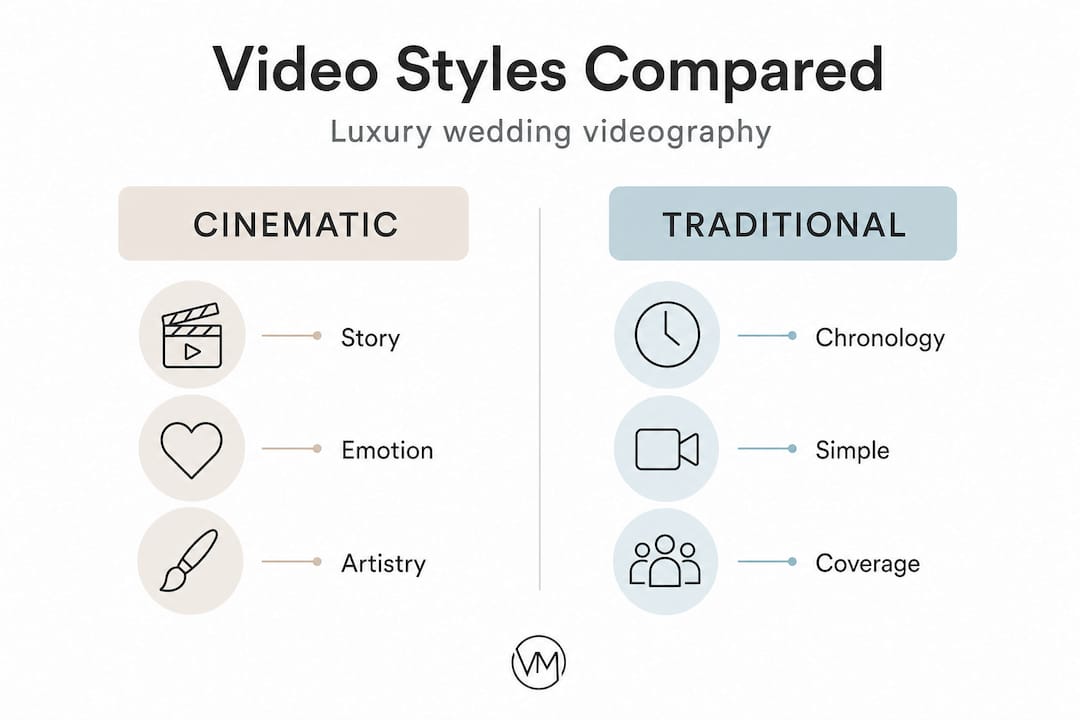
Traditional wedding videos tend to follow a simple formula: ceremony footage, cocktail hour, reception speeches, and first dance, all cut together in order. The result is accurate but rarely emotional. A cinematic wedding film, by contrast, restructures footage around feeling. The opening shot might be a quiet, intimate moment between the couple before the ceremony even begins. The edit breathes. Moments linger.
Key cinematic elements that separate a luxury wedding film from standard coverage include:
- Intentional slow motion on emotionally loaded moments like the aisle walk or first look
- Creative composition that frames couples against stunning architectural backdrops in NYC or NJ
- Color grading that gives the footage a warm, filmic tone rather than a flat, raw look
- Natural audio woven into the edit, including ambient sound, whispered vows, and genuine laughter
- Narrative structure that gives the film a beginning, middle, and emotional resolution
"Use slow-mo intentionally on moments like the aisle walk or first look. Pair a wide safe shot with mobile close-ups. Shoot at high FPS for slow motion to give yourself options in the edit. Avoid overusing camera movement, which can dilute its impact."
The table below shows how cinematic and traditional approaches differ across the most important categories.
| Category | Cinematic style | Traditional style |
|---|---|---|
| Story structure | Narrative driven, non-linear | Chronological |
| Camera movement | Intentional, controlled | Mostly static or handheld |
| Slow motion | Selective, emotional | Rare or absent |
| Color grading | Stylized, filmic | Minimal correction |
| Emotional tone | Story with arc and feeling | Event record |
| Editing pace | Varies with music and emotion | Consistent, steady |
Couples who invest in luxury weddings choose cinematic videography because they want emotion and artistry to carry through every frame. The film becomes something you return to, not just something you archive.
Core techniques for achieving a cinematic wedding video
Understanding the tools behind cinematic wedding films helps you have smarter conversations with videographers and set realistic expectations for your own film.
High-frame-rate shooting is foundational. Cameras set to 50 or 60 frames per second capture enough visual information to slow footage down to half or quarter speed in post-production. This is how those breathtaking slow-motion clips of a veil catching the wind are created. A camera shooting at the standard 24 frames per second cannot produce the same effect without choppy, unusable results.
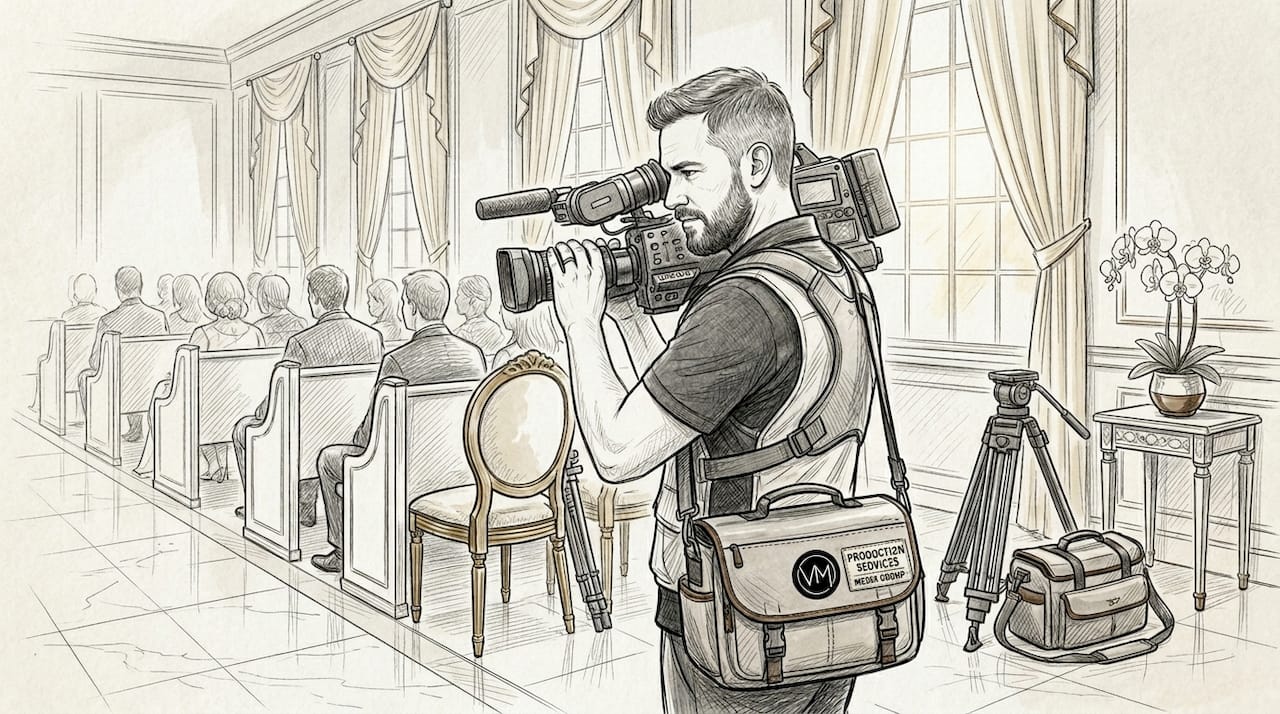
Solo shooting with a system in mind is another technique that separates professionals from amateurs. When one cameraperson covers a ceremony, they often lock off a wide "safe shot" on a tripod to capture everything while they move with a handheld or gimbal camera to collect cinematic wedding shots from closer angles. This approach ensures no critical moment is missed while still giving the editor rich, varied footage to work with.
Here is how a professional might build a single cinematic scene from scratch:
- Lock off a wide shot to capture the full environment and guarantee coverage
- Move to a mid-shot to frame the couple together with context behind them
- Close in for tight shots of hands, eyes, and facial reactions during vows
- Capture cutaway shots of guests reacting to add emotional layers
- In post, select the most powerful moments, trim generously, and align cuts to the music
Pro Tip: Slow motion works best when it is used sparingly. Reserve it for your two or three most emotionally charged moments, like the walk down the aisle, the first kiss, or the first dance. If every scene is slow motion, none of them feel special. Contrast is what gives slow motion its power.
The table below shows which techniques apply to which key wedding moments and why they work.
| Wedding moment | Recommended technique | Why it works |
|---|---|---|
| Aisle walk | Slow motion at 60 FPS | Extends the emotional weight of the moment |
| Vows | Close-up handheld | Captures genuine facial expression and tears |
| First kiss | Wide + tight simultaneous | Gives editor options for the climax |
| Reception speeches | Static wide shot + roaming close | Ensures clarity while preserving emotion |
| First dance | Gimbal orbit shot | Creates cinematic scale and romance |
Mastering filming weddings for cinematic effect requires years of practice across different venues, lighting conditions, and unpredictable human moments. This is why wedding videography trends consistently show that experienced professionals produce noticeably better results than those still building their portfolio.
Storytelling: The artistic vision behind cinematic wedding films
Technique creates the ingredients. Storytelling is what bakes the cake. A videographer can have every piece of professional equipment available and still produce footage that feels cold if there is no narrative intelligence behind the edit.
Story-driven editing means choosing moments not because they happened, but because they mean something. A glance between father and daughter just before the ceremony begins tells more story than three minutes of guests finding their seats. Skilled editors know which moments to stretch and which to cut entirely.
Key story elements that belong in every cinematic wedding film include:
- An emotional opening that establishes mood before the wedding day kicks off
- A clear emotional arc that builds from anticipation to joy to celebration
- Personal vows that reveal the couple's relationship in their own words
- Authentic reactions from family and close friends
- A memorable closing image that leaves the viewer with a feeling, not just a visual
Music choice is equally important. The right song can transform a good edit into a genuinely moving film. The pacing of cuts should follow the emotional rhythm of the music, speeding up during joyful moments and slowing down during intimate ones. This is not accidental. It takes dozens of hours in the edit to get right.
Pro Tip: Before your wedding day, write down three or four memories or feelings you want your film to prioritize. Share these with your videographer at your planning meeting. Whether it is the humor in your vows, the significance of a particular family member, or the look on your partner's face during the first dance, this input directly shapes how your story gets told. You can find more ideas in our guide to personalizing your wedding film.
Cinematic wedding films at their best function as wedding love story films, meaning they do not just show what happened. They show who you are.
Choosing your cinematic wedding videographer
Knowing what cinematic means in theory makes it much easier to evaluate videographers in practice. Do not be impressed by equipment lists alone. Watch sample films from beginning to end and ask yourself whether the film made you feel something, even though it was not your wedding.
Questions to ask every potential videographer before booking:
- Can you walk me through the story structure of one of your recent films?
- How do you handle low-light situations at indoor NYC or NJ venues?
- What is your approach to capturing audio during the ceremony?
- How many cameras and operators will be at my wedding?
- What does your editing process look like and how long does delivery take?
NYC and NJ venues bring unique cinematic opportunities. Rooftop ceremonies with Manhattan skylines, grand ballrooms in Hudson Valley estates, and waterfront venues in New Jersey all reward videographers who know the local light, logistics, and landscape. Experience with these locations directly affects the final film's visual quality.
Red flags to watch for: videographers who cannot explain their editing process, those who deliver only raw footage, and those whose sample work feels like a music video with no personal connection to the couple. True cinematic expertise is visible in choosing a wedding videographer resources that emphasize reviewing full-length films, not just highlight reels.
"Ask your videographer to show you a full ceremony edit, not just a highlight clip. The highlight reel shows their best ten shots. The full film shows whether they can sustain storytelling over time."
The surprising truth about cinematic wedding videos
Here is something most articles will not tell you: the majority of wedding videos marketed as "cinematic" are really just heavily graded highlight montages set to trending music. They look beautiful for 90 seconds. They do not hold up over repeated viewings because there is no actual story underneath the visual polish.
True cinematic storytelling requires a director's mindset, not just a cinematographer's eye. This means the videographer needs to understand your story before the wedding day, not just point their camera at beautiful moments when they happen.
The couples who end up with the most powerful films are not necessarily the ones who hired the most expensive crew. They are the ones who communicated clearly, shared their priorities, and treated their videographer as a creative collaborator rather than a vendor. A pre-wedding call where you share what makes your relationship unique is worth more to the final film than any camera upgrade.
Your wedding day is full of unrepeatable moments. The couple who prepares their videographer with context and personal stories gets a film that feels like theirs. The couple who simply books and shows up gets something beautiful but generic. You have enormous influence over the outcome. Use it.
Experience cinematic wedding videography with Visualize Media
Planning a luxury wedding in New York or New Jersey means every vendor decision carries weight. Your wedding film is the only thing that brings the entire day back to life years from now.
At Visualize Media, we approach every wedding as filmmakers first. Our packages include multi-camera coverage, aerial footage, professional color grading, and full ceremony edits that go beyond the highlight reel. Whether you are hosting an intimate ceremony or a grand celebration across multiple venues, we build your film around the story that makes your relationship unique. Explore our luxury wedding videography services, watch real cinematic wedding examples from couples just like you, and when you are ready, get a personalized quote tailored to your day.
Frequently asked questions
How is a cinematic wedding video different from a traditional wedding video?
A cinematic wedding video uses film-like storytelling techniques to create an artistic, emotionally driven film, while traditional videos capture events in chronological order with minimal editing or narrative structure.
What techniques make a wedding film look cinematic?
Slow motion at high frame rates, intentional camera movement, creative composition, and story-driven editing combine to give a wedding film a truly cinematic look and feel.
Is cinematic wedding videography worth the investment for luxury weddings?
Absolutely. A cinematic film transforms your wedding memories into an emotionally resonant work of art that you and your family will return to for decades.
How can we help our videographer create a more personalized cinematic film?
Share your relationship story, key people to focus on, and three or four moments you want emphasized so your videographer can shape the film's narrative around what matters most to you.
Does the location influence the cinematic quality of a wedding film?
Yes, iconic New York City and New Jersey venues offer stunning visual environments and unique lighting that experienced local videographers know how to use to enhance every scene.