

A second shooter in wedding videography is a professional co-videographer who works alongside the lead filmmaker to capture simultaneous footage from multiple angles, locations, and perspectives that one person physically cannot cover alone. This role is standard practice in full-day wedding productions and directly shapes the emotional depth and cinematic quality of your final film. The benefits of second shooter coverage include richer storytelling, technical redundancy, and the ability to document subplots your lead videographer would otherwise miss entirely.
What does a second shooter do at a wedding?
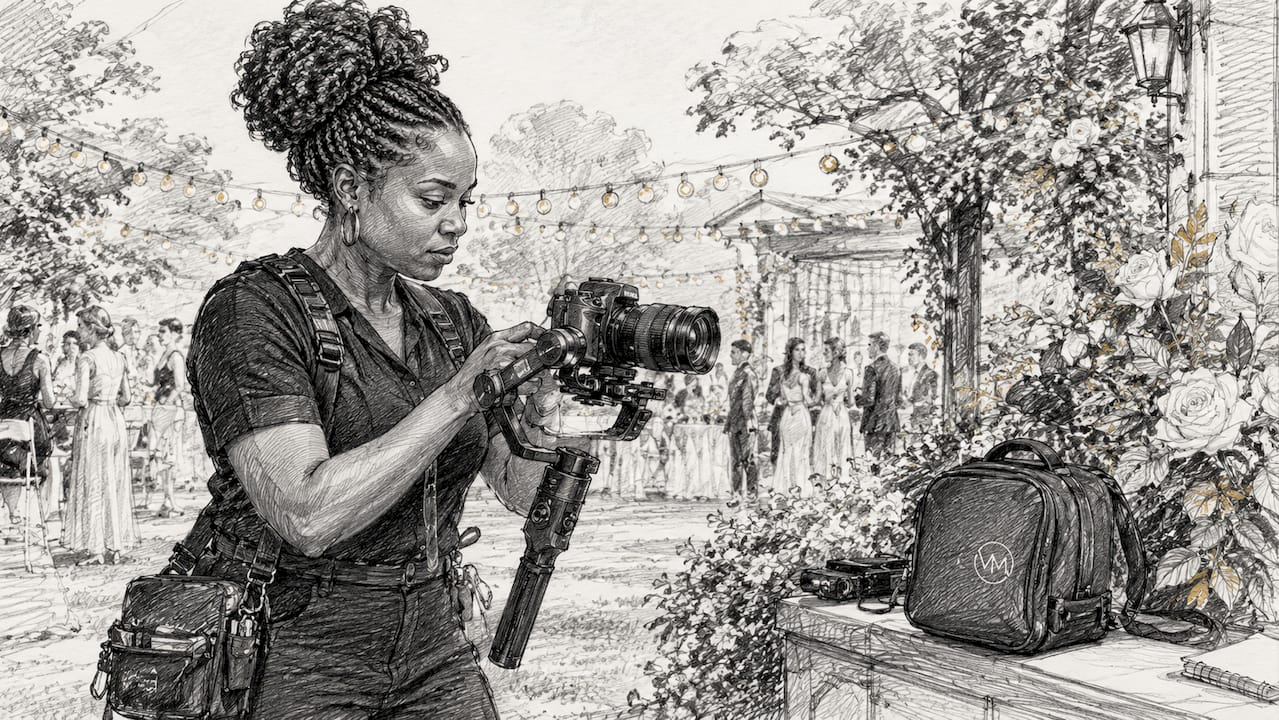
A second shooter is a skilled professional who enhances the wedding film narrative through multi-angle, simultaneous coverage. This is not an assistant who carries bags or adjusts lighting. The second shooter arrives with their own camera gear, operates independently, and contributes creative footage that becomes part of the final edit.
Here is what the role covers in practice:
- Separate location prep coverage. While the lead films the bride getting ready, the second shooter documents the groom's preparation at a different venue. Without this split, one side of the story disappears entirely.
- Reaction shots during the ceremony. The lead captures the couple at the altar. The second shooter films the father of the bride wiping his eyes, the flower girl fidgeting, and the best man's grin. These moments define the emotional texture of the film.
- Supplementary b-roll. Venue details, table settings, guests arriving, the cake, the band warming up. These shots give editors the material to build transitions and pacing.
- Technical backup. Equipment fails. A second camera operator means a single malfunction during the vows does not result in lost footage from a once-in-a-lifetime moment.
Pro Tip: Ask your videographer directly whether their second shooter brings their own camera body and lens kit. A second shooter relying on borrowed gear is a red flag for production quality.
The distinction between a second shooter and a production assistant matters. An assistant manages logistics, holds reflectors, and organizes equipment. A second shooter independently captures footage with creative input. Confusing the two is one of the most common mistakes couples make when reviewing packages.
How does a second shooter improve your wedding film?
A second shooter transforms a single-perspective recording into a multi-dimensional cinematic story. The multi-angle coverage adds visual interest that a solo operator simply cannot replicate, no matter how skilled. Think of it like the difference between watching a play from one fixed seat versus experiencing it from the stage, the balcony, and the wings simultaneously.
The creative advantages go beyond just having more footage. A second shooter captures subplots. Your grandmother's expression when you say your vows. The groomsmen laughing during the cocktail hour. A wide shot of the entire reception hall as the first dance begins. These are the moments couples say they did not even know happened until they watched their film.
| Coverage Element | Lead Videographer | Second Shooter |
|---|---|---|
| Ceremony angle | Front or side altar view | Wide room shot or guest perspective |
| Getting ready | Primary subject (bride or groom) | Opposite subject at separate location |
| Reception | First dance, speeches, key moments | Candid guest reactions, detail b-roll |
| Emotional moments | Couple's expressions | Family and guest reactions |
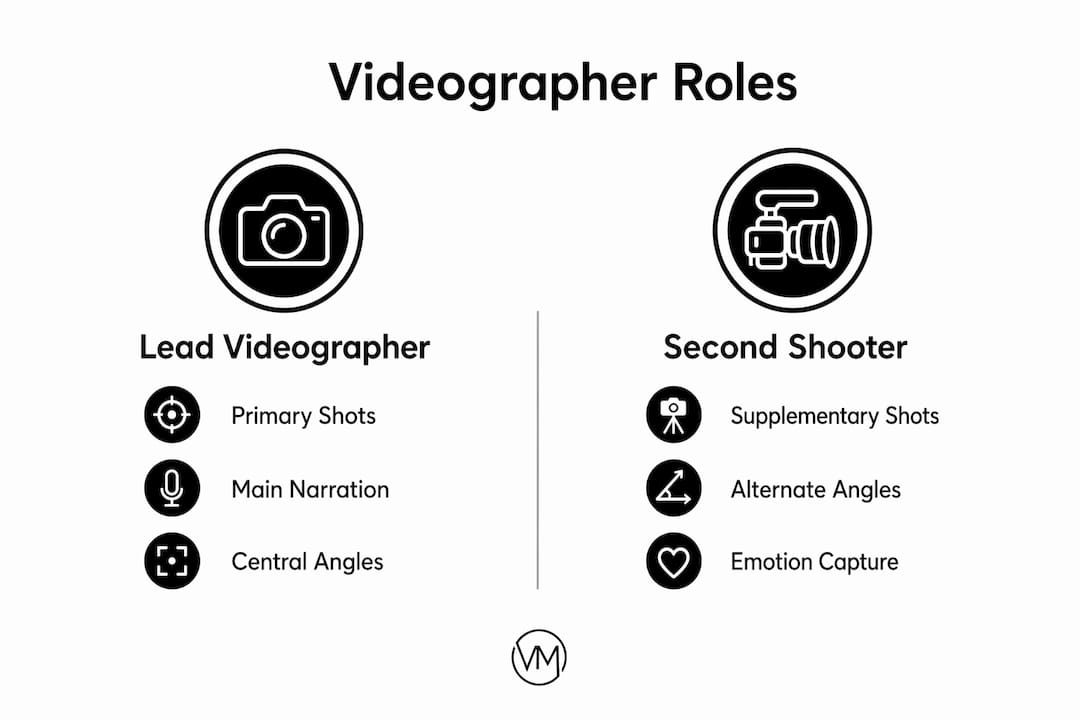
The table above shows how the two roles complement rather than duplicate each other. Split coverage also reduces camera intrusion. Two operators dividing the venue feel less overwhelming to guests than one person constantly repositioning. The result is more natural, candid footage across the board.
Pro Tip: Review your videographer's sample films and look specifically for reaction shots and wide environmental footage. If every shot focuses only on the couple, they likely filmed solo. A film with layered perspectives signals a second shooter was present.
For a deeper look at how cinematic wedding films use multi-angle coverage to build emotional impact, the approach is consistent across top-tier productions.
When do you actually need a second shooter?
The honest answer is that most traditional, full-day weddings benefit significantly from a second shooter. The question is whether your specific event justifies the added investment.
A second shooter is strongly recommended when:
- Your wedding runs six or more hours from prep to reception
- Getting ready happens at two separate locations
- Your guest list exceeds 75 people
- You want coverage of both families during the ceremony
- Your venue has multiple rooms or outdoor spaces used simultaneously
A solo videographer may be sufficient when your event is an intimate elopement with fewer than 20 guests, takes place entirely in one location, and runs under four hours. Short, single-location ceremonies simply do not generate enough simultaneous action to require two operators.
Budget is a real factor. A second shooter adds cost to your package, and that cost reflects their professional contribution. The question to ask yourself is whether a gap in your film, such as no footage of your groom seeing you for the first time because the lead was still filming your prep, is acceptable. For most couples, it is not.
What does a second shooter cost in 2026?
Second shooter compensation in 2026 ranges from $200 to over $800 per event. That range reflects differences in experience, market, and the complexity of the wedding. This is not a small line item, but it represents a professional bringing their own gear, creative judgment, and hours of skilled labor.
| Role | Typical Rate | What They Provide |
|---|---|---|
| Second Shooter | $200–$800+ per event | Own gear, creative footage, independent coverage |
| Production Assistant | $15–$30 per hour | Logistics, equipment handling, no filming |
The contrast is stark. An assistant is paid for physical help. A second shooter is paid for footage that ends up in your film. When a videography package includes a second shooter, you are paying for a co-creator, not support staff. Qualified second shooters bring their own camera bodies, lenses, and audio equipment. Verify this before signing any contract.
How do lead and second shooters work together?
The lead videographer and second shooter operate as a coordinated team, but they do not shadow each other. The second shooter works independently with creative autonomy, covering areas and moments the lead has designated as secondary priority.
Effective coordination looks like this:
- Pre-wedding briefing. The lead shares the timeline, key moments, and location layout. The second shooter knows exactly where to be and when.
- Divided coverage zones. During the ceremony, the lead owns the altar. The second shooter owns the guest section and wide angles. There is no overlap, no confusion.
- Invisible presence. Two shooters splitting the venue cover more ground without crowding the couple or disrupting the atmosphere.
- Leapfrog logistics. While the lead films the couple's exit, the second shooter moves ahead to capture their arrival at the next location. This improves filming efficiency and eliminates dead time between shots.
The lead focuses on the primary narrative. The second shooter builds the supporting story. Together, they produce a film that feels complete rather than like a highlight reel from one vantage point. For couples researching wedding videography styles, understanding this team dynamic helps set realistic expectations for what your final film can include.
Key takeaways
A second shooter in wedding videography is the single most effective way to transform a one-dimensional recording into a complete cinematic story with emotional depth, technical reliability, and full-day coverage.
| Point | Details |
|---|---|
| Core role definition | A second shooter is a professional co-videographer, not an assistant, who independently captures footage. |
| Coverage advantage | Split coverage captures both prep locations, ceremony reactions, and candid guest moments simultaneously. |
| Cost range in 2026 | Second shooters charge $200–$800+ per event and bring their own professional gear. |
| When you need one | Full-day weddings over six hours with multiple locations and large guest lists benefit most. |
| Quality check | Confirm your second shooter brings their own equipment and has creative input in the final film. |
Why i think every traditional wedding deserves two cameras
After years of filming weddings across New York and New Jersey, the single most consistent feedback I hear from couples is this: they wish they had more footage of the people they love. Not more footage of themselves. More footage of their parents, their grandparents, their college friends losing it on the dance floor.
That is exactly what a second shooter delivers. The lead is responsible for the couple's story. The second shooter is responsible for everyone else's reaction to it. Those reactions are what make a wedding film feel alive rather than like a polished but hollow highlight reel.
The biggest mistake I see is couples treating the second shooter as optional when their budget gets tight. They cut that line item and end up with a film that has no footage of the groom's side during the ceremony, no prep coverage from the other location, and no candid moments from the cocktail hour. The film looks fine. It just does not feel complete.
One more thing worth saying directly: a second shooter who is actually a trainee being supervised is not a second shooter. Verify their experience and ask to see footage they have captured independently. The quality difference between a real second shooter and an apprentice with a camera is visible in the final film.
— Anthony
How Visualizemedia covers every moment of your wedding day
Visualizemedia specializes in luxury wedding cinematography across New York and New Jersey, and every full-day package includes an experienced second shooter as a core part of the production team. This is not an add-on. It is how Visualizemedia builds films that capture both the couple's story and the emotional reactions of everyone in the room. Multi-angle coverage, aerial footage, and color-graded edits come together to create a film that feels like a movie, not a recording. If you are planning a traditional or full-day wedding and want comprehensive coverage from a professional wedding cinematography team, reach out to Visualizemedia to discuss your vision. Follow behind-the-scenes work on Instagram for a real look at how the team operates on wedding days.
FAQ
What is a second shooter in wedding videography?
A second shooter is a professional videographer who works alongside the lead to capture simultaneous footage from different angles and locations. They operate independently with their own gear and contribute directly to the final film.
Is a second shooter the same as a photography second shooter?
The role is similar. Whether for photographers or videographers, a second shooter captures complementary coverage the lead cannot get alone, including alternate angles, candid moments, and split-location prep.
How much does a second shooter cost for a wedding?
Second shooter rates in 2026 range from $200 to over $800 per event depending on experience and region. This is separate from and higher than a production assistant, who earns $15–$30 per hour for logistical tasks only.
Do i need a second shooter for a small wedding?
Intimate elopements or single-location events under four hours with fewer than 20 guests can work well with a solo videographer. Larger, full-day weddings with multiple locations strongly benefit from two-camera coverage.
What should i ask before hiring a second shooter?
Confirm they bring their own professional camera equipment, have experience shooting weddings independently, and understand how to coordinate coverage with the lead without duplicating shots.